Uttarkashi Agriculture and Livelihood
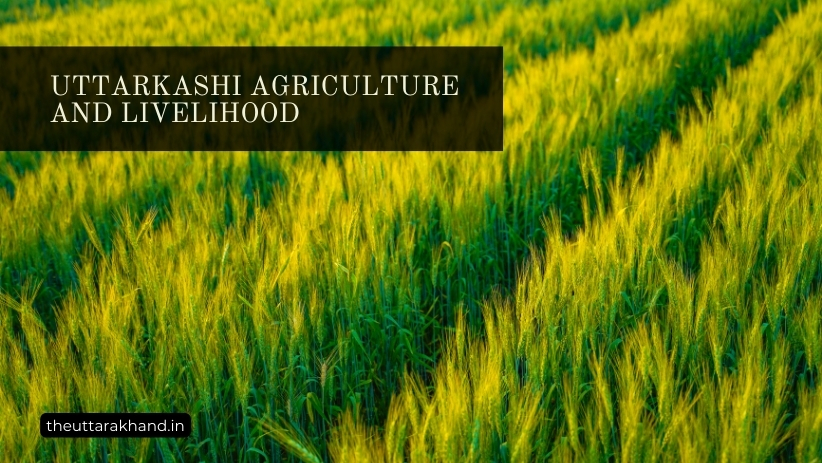
Uttarkashi Agriculture and Livelihood
Uttarkashi Agriculture and Livelihood
Uttarkashi Agriculture and Livelihood, Uttarkashi district, located in the Garhwal region of Uttarakhand, is a hilly district with 88% of its area covered by forests or barren land. Agriculture in the district faces several constraints due to limited cultivable land, low soil fertility, shorter growing season, smaller land holdings, soil erosion and harsh climate. However, agriculture plays an important role in livelihoods with cultivation done on terraced farms and steep hillsides. Animal husbandry supplements farm incomes through milk, wool and meat production. Local sheep breeds are reared and wool production is a key cottage industry in the district.
Constraints to Agriculture in Uttarkashi
Limited Cultivable Land
- Only 12% of Uttarkashi’s total area is available for cultivation
- 88% of area is forests or barren, uncultivable land
- Lack of sufficient cultivable land is a major constraint
Low Soil Fertility
- Soil fertility is generally low except in the valleys
- Continuous cultivation without adequate inputs leads to loss of fertility
Small, Scattered Land Holdings
- Land holdings are very small and fragmented
- Limits benefits from scale of production
- Increases cost per unit of output
Short Growing Season
- Short agricultural season due to high altitude and cold climate
- Limits choice of crops that can be grown
Problem of Soil Erosion
- Steep terraced farms and hillside cultivation leads to soil erosion
- Loss of fertile top soil reduces productivity over time
Harsh Climate
- Low temperatures, early/late frost affects production
- Limits yields and choice of crops to hardier varieties
Potential Crops for Uttarkashi Agriculture
Cereals
- Paddy: A major Kharif crop, suitable for valley cultivation
- Wheat: Important Rabi crop grown in rabi season
- Barley: Hardy crop grown on hilly terraced farms
Pulses
- Rajma: High value crop, grows well in hills
- Urad and Moong: Short duration pulses for hills
Oilseeds
- Soybean, Groundnut: Kharif oilseeds for valley cultivation
- Mustard: Important rabi oilseed crop
Commercial Crops
- Potato: Important cash crop, grown on large scale
- Ginger and Turmeric: High value spice crops
- Vegetables: Year round demand, good prices
Fruits
- Apple: Important commercial crop for hills
- Peach, Plum, Pear: Temperate fruits suitable for region
Importance of Animal Husbandry
- Provides supplementary income for rural households
- Milk, wool and meat adds to farm earnings
- Local sheep breeds reared to produce wool and meat
- Animal husbandry not a full time vocation, done alongside farming
- Can be further developed to enhance rural incomes
Sheep Rearing
- Sheep rearing is an important industry in Uttarkashi
- Local breeds reared at altitudes between 1525-2440 meters
- Provides wool used in weaving and production of woolen goods
Advantages of Sheep Rearing
Dual Purpose: Sheep reared both for wool and meat
Local Breeds Well Adapted: Local breeds suited for hilly climate
Supplemental Income: Provides extra income to rural households
Women Participation: Women actively involved in sheep rearing
Wool for Cottage Industries: Raw material for rural wool industries
Cottage Industries
Importance
- Provide livelihoods and incomes for rural population
- Woolen goods, food processing local key cottage industries
- Huge potential for growth and employment generation
Wool Industry
- Wool production and weaving is the most important cottage industry
- Wool from local sheep breeds used to make woolen goods
- Items produced include carpets, tweeds, blankets, warm clothing
Growth Prospects
- Tremendous potential for providing rural employment
- Scope to enhance production, quality, branding and marketing
- Institutional support needed for technology and market access
Conclusion to Uttarkashi Agriculture and Livelihood
Uttarkashi Agriculture and Livelihood : Despite constraints, agriculture and animal husbandry are integral to rural livelihoods in Uttarkashi district. Alongside focus on food production, priority must be given to high value crops, off-farm income sources and cottage industries to supplement farm incomes. With supportive policies, these sectors can drive inclusive economic growth in the region.