Agriculture of Pithoragarh
Agriculture is backbone of Pithoragarh district’s economy providing livelihood to 70% population. Know key features, major crops, challenges and growth opportunities.
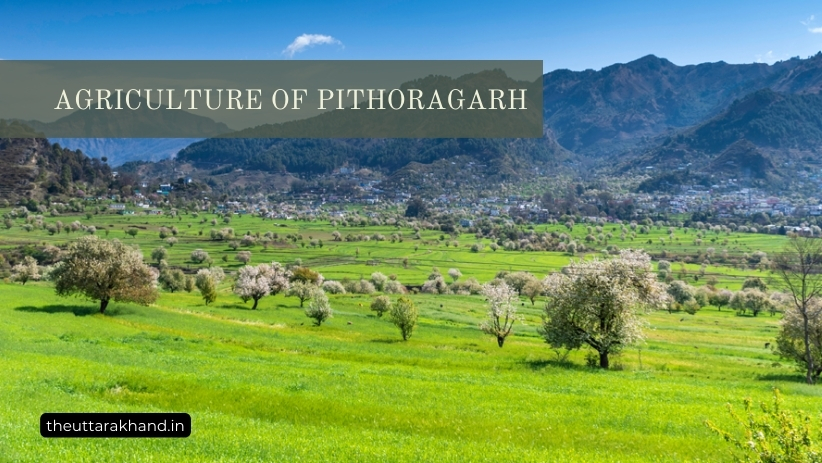
Agriculture of Pithoragarh
Agriculture of Pithoragarh
Agriculture of Pithoragarh : Pithoragarh district, located in the state of Uttarakhand, is primarily a hilly region with altitudes ranging from 1600 ft to over 22,000 ft. Agriculture forms the backbone of the district’s economy, providing livelihood to over 70% of the population. However, the agriculture sector faces several challenges due to the difficult geographic and climatic conditions.
Main Features of Agriculture in Pithoragarh
Land Holdings and Farm Sizes
- Over 88% of agricultural land holdings are small and marginal.
- Average size of land holding is only 0.57 hectares.
- Fragmentation of land makes adoption of modern technology difficult.
Terrace Farming
- Steep slopes necessitate terrace farming which is labor intensive.
- Terraces prone to landslides causing loss of fertile top soil.
Dominance of Subsistence Farming
- Majority of farmers practice subsistence farming with low yields.
- Focus on food grains to meet family needs rather than commercial crops.
Lack of Irrigation Facilities
- Only 15% of net sown area is irrigated, rest depends on rainfall.
- Limits crop productivity and agricultural growth.
Major Crops Grown
Food Grains
The major food grains grown are paddy, wheat, mandua, jhangora and ragi. These grains account for over 80% of total cropped area.
Cash Crops
Important cash crops include potato, ginger, turmeric, rajma, buckwheat, amla, apple and off-season vegetables.
Spices and Condiments
Spices like chillies, coriander and condiments like garlic and onion are also grown.
Challenges Faced by Agriculture
Difficult Geographic Terrain
- Steep slopes, lack of plain cultivable land limits agriculture.
- Altitudes over 1600 ft have shorter growing season.
- Low temperatures affect crop growth.
Soil Erosion
- Deforestation and landslides cause loss of top soil affecting fertility.
- Terrace farming also leads to soil erosion.
Lack of Irrigation
- Only 15% of agricultural land is irrigated, rest depends on rainfall.
- Limits crop productivity and agricultural growth.
Small and Fragmented Landholdings
- Average land holding size is only 0.57 hectares.
- Prevents mechanization and adoption of modern practices.
Lack of Infrastructure
- Lack of transport, electricity, cold storage etc hampers agriculture.
- Makes access to markets difficult for farmers.
Opportunities for Agricultural Growth
Expanding Horticulture
- Agro-climatic conditions suitable for growing temperate fruits.
- Can supplement incomes for marginal farmers.
- Needs investments in supply chain infrastructure.
Organic Farming
- Increasing demand for organic food presents huge opportunity.
- Pithoragarh can leverage its image of pristine hill state.
High Value Cash Crops
- Large potential for crops like aromatic plants, herbs and flowers.
- Can boost incomes substantially due to high value.
Agricultural Tourism
- Tourism centred around organic farms and horticulture orchards.
- Can provide additional revenue source for farmers.
Conclusion to Agriculture of Pithoragarh
Agriculture of Pithoragarh : Despite the challenges, agriculture continues to be backbone of Pithoragarh district’s economy. With supportive policies, investments in infrastructure and leveraging its strengths, the district can transform its agricultural sector substantially. Agri-horticulture, organic farming and agricultural tourism present immense opportunities for income and employment growth. With comprehensive planning and strategic support, Pithoragarh’s agriculture can be put on a sustained growth trajectory.
Agriculture of Pithoragarh:
Q: What percentage of Pithoragarh population depends on agriculture for livelihood?
A: About 70 percent of Pithoragarh’s population depends on agriculture for their livelihood.
Q: What are the major food grains grown in Pithoragarh district?
A: The major food grains grown are paddy, wheat, mandua, jhangora and ragi. These grains account for over 80% of total cropped area.
Q: What are the key challenges faced by Pithoragarh agriculture sector?
A: Key challenges are difficult hilly terrain, lack of irrigation, soil erosion, small fragmented landholdings, lack of infrastructure and connectivity.
Q: Which high value crops present good opportunities for farmers?
A: Crops like aromatic plants, herbs, flowers, organic produce present high income opportunities.
Q: How can tourism help farmers supplement their agricultural incomes?
A: Agricultural tourism centred around organic farms and horticulture orchards can provide extra revenue.