Art and Architecture of Uttarakhand
Art and Architecture of Uttarakhand
Art and Architecture of Uttarakhand
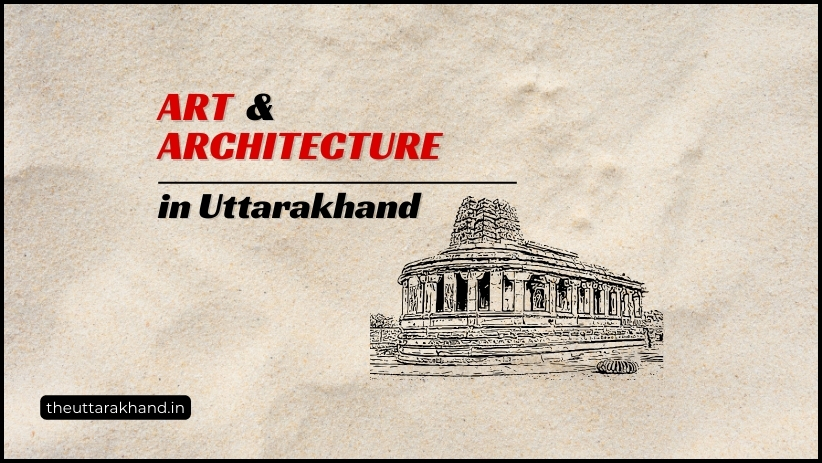
Art and Architecture of Uttarakhand : Uttarakhand boasts a rich cultural heritage and distinctive art forms comprising painting, architecture, sculpture and other aesthetic endeavors. Both the Kumaon and Garhwal regions of Uttarakhand have greatly contributed to the state’s artistic tradition.
Art in Uttarakhand traces back to prehistoric times. Kumaon has a notable architectural style called the ‘Himadri’ while numerous proto-historic rock paintings have been discovered in the region. Temples across Uttarakhand stand as classic examples of the regional architectural style inherited from the post-Gupta period. Besides architecture, Kumaoni art also displays a unique sculptural style.
Paintings of Uttarakhand
Overview
Paintings of Uttarakhand range from folk arts of Kumaoni women to the most exquisite Garhwali miniature paintings. The state’s natural splendor, once considered the abode of gods, has been a great inspiration for artists over the centuries.
Uttarakhand’s paintings can be categorized into:
- Folk arts – wall paintings and ritualistic art
- Refined art – miniaturists
The wall paintings of Gurdwara Guru Ram Rai and royal houses of Karnal and Saharanpur are independent masterpieces of Uttarakhand’s painting excellence.
Miniature Painting
Miniature painting is a major school of Indian miniature art, along with Kangra and Punjab. Derived from Mughal styles, Uttarakhand miniatures developed distinct traits. Attracted by the region’s beauty, Mughal artists like exiled Prince Sulaiman Shukoh introduced Persian styles that shaped the Garhwal school.
Uttarakhand miniatures exhibit varied influences while retaining uniqueness. As a Mughal offshoot, they constitute one of the most illustrious painting traditions internationally.
Wall Paintings
Uttarakhand’s wall paintings were recently acknowledged for their aesthetic and decorative splendor after years of anonymity. Prominent in Garhwal and Kumaon regions, these paintings are ritualistic and decorative in nature with high visual appeal. Materials employed are extremely traditional – pastes of rice powder and natural colors applied by hand and fingers.
Mughal Painting
Garhwali Mughal paintings amalgamate diverse influences as a comparatively late development. Their origin lies in exiled Mughal Emperor Humayun sheltering Persian artists to portray his court’s grandeur. By Akbar’s reign, Mughal miniatures gained eminence as he zealously sponsored art.
Other Painting Styles
Pahari Kalam: Developed in Kumaon Himalayas
Alpana: Ritual floor drawings by Kumaoni women during festivals
Thapa: Durga paintings using rice paste and colors during Navratri
Naat: Kitchen wall drawings of deities for prosperity
Jyunti: Auspicious drawings of gods/goddesses for ceremonies
Crafts of Uttarakhand
Uttarakhand’s crafts revolve around religious contexts like the ‘Dikaras’ clay idols made during Harela. Other crafts include woodworks, stone carvings, jewelry and inlaying that reflect regional customs. Tibetan and Kumaoni influences can be traced.
Peeth: Sub-genre of decorative Aipen drawings by Kumaoni/Garhwali women during rituals using traditional styles.
Aipen: Folk art by Kumaoni women, patterns are drawn on floors and walls in geometric shapes, figures and nature motifs for auspicious events. Ingredients used are rice paste and natural colors.
Woodcrafts: Local artisans intricately carve a variety of wooden articles like sculptures, paintings and furniture.
Stone carvings: Ornate stone carvings constitute vital aspects of Uttarakhand’s temple architecture. Various dynasties patronized this art form seen vividly in temples of Almora, Chamoli, Rudraprayag etc.
Architecture of Uttarakhand
Uttarakhand’s architecture is concentrated around ancient temples built in specific regional styles. The architectural heritage includes the distinctive Himadri style, stone carvings and intricate woodwork.
Prominent Temple Architectural Styles
Kedarnath Temple: Imposing stone structure in classical regional style with influences from post-Gupta era. Houses a large Nandi bull carving at entrance alongside main shrine and gathering hall.
Tungnath Temple: Built on a mountain ridge featuring stone walls, small windows and an intricately carved dome with images of deities.
Madmaheshwar Temple: Situated at high altitude in Chamoli district, shows classic regional architectural technique. Enshrines a unique oval-shaped Shiva lingam.
Badrinath Temple: Dedicated to Lord Vishnu with a height of 15m. Conical shape featuring a gilt dome and bull motif on top alongside the main sanctum. Dates back to Vedic times.
Bagnath Temple: Situated in Bageshwar on the confluence of Sarayu and Gomati rivers. Classic example of the early-medieval North Indian style of architecture. Enshrines a black stone Shiva lingam.
Jageshwar Temple Complex: Comprises over 100 small stone shrines built in the classic regional style during the post-Gupta period. Nestled in a deodar forest with intricate carvings.
Patal Bhuvaneshwar Cave Temple: One of the most mysterious limestone caves in Uttarakhand housing stone idols of various deities. Showcases nature’s architectural wonder.
Stone Carvings
Uttarakhand’s ornate stone carvings constitute vital aspects of temple architecture. Various dynasties patronized this art form seen vividly in temples of Almora, Chamoli, Rudraprayag etc. Intricately carved temple stones are highlighted below:
Baleshwar Temple: Features intricately carved facade in red sandstone in South Indian architectural influences. Houses black stone idol of Badrinarayan.
Jageshwar Temple Complex: Showcases excellent stone carvings on walls, pillars and shrines in post-Gupta style stone architecture.
Kedarnath Temple: Impressive gray stone walls carved intricately with images from mythology. Large Nandi bull sculpture carved from single rock displayed at entrance.
Gopinath Temple: Situated in Chamoli district and dedicated to Lord Shiva. Known for its exquisitely carved stone walls.
Rudranath Temple: Enshrines divine face of Lord Shiva carved in gray stone. Surrounded by thick forests in Garhwal Himalayas.
Conclusion to Art and Architecture of Uttarakhand
Art and Architecture of Uttarakhand : Uttarakhand’s architecture and art offer a vivid glimpse into its cultural legacy. The region’s natural splendor, myths and customs have been great inspirations behind the evolution of various painting schools, crafts and architectural sites over the centuries. Be it ornate temples, intricate wall paintings or exquisite woodcarvings – the state’s artistic heritage is truly unparalleled.
What are some notable architectural styles found in Uttarakhand?
Classic temple architecture in regional post-Gupta style. Also Himadri architecture of Kumaon region.
What crafts is Uttarakhand famous for?
Aipen folk arts, ornate woodcarvings, jewelry making, stone sculptures are some prominent Uttarakhand crafts.
Which painting styles originated in the state?
Garhwali miniature paintings, wall paintings of Kumaon region, Pahari Kalam etc.
What are the main materials used in the architecture?
Stone, wood and metal used prominently. Intricate carving on temple walls, doors and shrines done.
What inspires the art forms of Uttarakhand?
The state’s natural splendor, myths and customs have been great inspirations over the centuries.