Dehradun Flag Fair: Jhande ka Mela
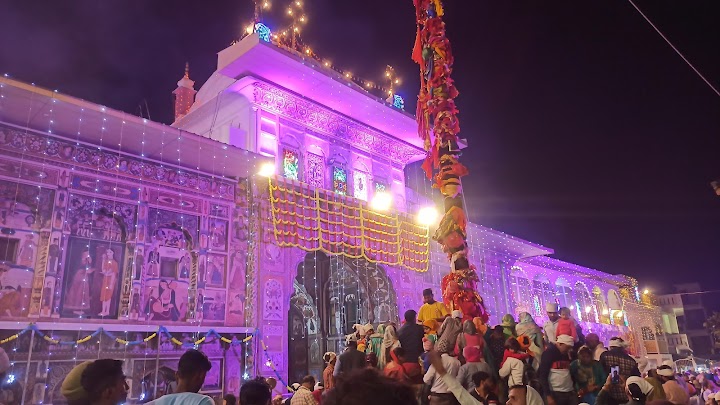
Dehradun Flag Fair
Dehradun Jhanda Mela
Introduction to Dehradun Flag Fair
Dehradun Flag Fair : Dive into the rich tapestry of Indian heritage and explore the enchanting story behind the annual Dehradun Flag Fair – an incredible fusion of history, culture, and spirituality! With roots dating back centuries, the vibrant colors and sacred ambiance of this unique gathering promise a fascinating journey into the heart and soul of Uttarakhand’s mystique. Prepare yourself for a literary adventure filled with striking imagery, intriguing facts, and engaging narratives designed to spark curiosity and inspire discovery.
Historical Background of Dehradun Flag Fair
Origin and Evolution:
In the picturesque valley of Dehradun lies an extraordinary annual spectacle deeply rooted in history and imbued with profound cultural significance. Officially named the Jhanda Mela, the Dehradun Flag Fair draws throngs of devout locals and curious tourists alike, eager to immerse themselves in the vivid hues, evocative sounds, and tantalizing aromas permeating the air. But what is the origin of this much-celebrated affair? How did it become so entwined with the very essence of Dehradun itself?
A Legendary Founder:
At the core of the Dehradun Flag Fair stands the remarkable figure of Guru Ram Rai Ji, the charismatic son of seventh Sikh Guru Har Rai Ji. Born in 1657 CE, young Ram Rai quickly distinguished himself as a gifted scholar, poet, and philosopher. Yet, he craved something beyond intellectual pursuits—spiritual connection and enlightenment. Thus, embarking on a quest for truth, Ram Rai eventually found solace under the tutelage of his esteemed father, who initiated him into the secrets of Sikh teachings.
Fateful Encounters:
One fateful day, Emperor Aurangzeb summoned Guru Har Rai Ji to Delhi, demanding proof of his alleged supernatural abilities. Fearing for her husband’s life, the wise Mata Krishna intervened, suggesting that Ram Rai represent the community instead. Agreeing to her proposal, Guru Har Rai sent his beloved son to meet the emperor. During their encounter, Aurangzeb posed a series of challenging questions meant to test Ram Rai’s wisdom and knowledge. Remaining unfazed, Ram Rai effortlessly answered each query, impressing the skeptical ruler.
However, tragedy struck when Ram Rai accidentally misinterpreted certain verses from the Holy Scripture, prompting Aurangzeb’s wrath. Expelled from the imperial court, Ram Rai sought refuge in the nearby village of Dehradun, where local residents welcomed him warmly. Touched by their hospitality, Ram Rai decided to establish a permanent sanctuary in the region—thus laying the foundation for the famed Darbar Sahib complex.
Arrival of Guru Ram Rai Ji in Dehradun
Settling Down:
Upon settling down in Dehradun, Guru Ram Rai set out on a noble mission—to spread love, compassion, and understanding throughout the area. His benevolent acts earned him widespread acclaim, drawing thousands of devotees daily to hear his inspiring discourses. Recognizing the need for a central hub dedicated to nurturing spiritual growth, Ram Rai founded the magnificent Darbar Sahib temple compound—an architectural marvel still standing proudly today.
Establishing New Traditions:
To cement his presence in Dehradun, Guru Ram Rai introduced several novel customs and practices aimed at strengthening communal bonds and reinforcing shared values. Among these innovations, none would prove more enduring than the annual commemoration of his arrival—the Jhanda Mela or Flag Fair. Held annually on the auspicious day of Chettra Sudi Purnima, this momentous occasion brings together hundreds of thousands of faithful pilgrims from across India and beyond, eager to pay homage to the legendary saint and seek his divine intercession.
Symbolism and Meaning:
Central to the Jhanda Mela experience is the eponymous flag itself—a towering banner erected in honor of Guru Ram Rai’s eternal legacy. Adorned with colorful decorations and sacred motifs, the flag serves as a powerful reminder of the timeless principles embodied by its creator—humility, service, forgiveness, and boundless love. By gathering beneath its protective shadow, participants reaffirm their commitment to living harmoniously alongside fellow human beings regardless of caste, creed, or background.
Establishment of Darbar Sahib and Traditions
Embodying the welcoming spirit of Dehradun, Darbar Sahib emerged as a symbol of unity and harmony. Built in the 17th century by Guru Ram Rai Ji, the site holds tremendous historical significance for the region. Enriched by age-old customs and rituals, Darbar Sahib offers a glimpse into India’s vibrant past and timeless traditions.
Key Points:
- Founded by Guru Ram Rai Ji, youngest son of the seventh Sikh Guru, Har Rai Ji
- Initial purpose: provide shelter and comfort to weary travelers along the trade route
- Gradually evolved into a center of learning, healing, and spiritual growth
Glimpses of Age-Old Customs and Rituals
Visitors to Darbar Sahib can observe various longstanding customs, ceremonies, and activities practiced by the devotees, including:
- Morning and evening prayer sessions (Rehrasi and Sukhasan), accompanied by melodious hymns and scriptures
- Akhand Path, continuous reading of the Guru Granth Sahib lasting approximately 48 hours
- Special events like weddings, anniversaries, and baby namkaran ceremonies performed at the venue
Significance of Langar System at Darbarsahib
An essential aspect of Sikh philosophy, the concept of Langar emphasizes equal treatment, sharing resources, and eliminating distinctions based on wealth, status, gender, or religion. Here are some reasons why the Langar system matters at Darbarsahib:
- Promoting inclusive and equitable access to nutritious meals for all, irrespective of socioeconomic backgrounds
- Encouraging selflessness, humility, and teamwork among volunteers participating in meal preparation, cooking, and distribution
- Strengthening bonds within the community by breaking bread together and embracing the notion of Vasudhaiva Kutumbakam (“the world is one family”)
Contributions of Darbarsahib to Social, Cultural, and Educational Aspects
Over the centuries, Darbar Sahib has contributed substantively to the social, cultural, and educational facets of Dehradun and surrounding areas, playing a pivotal role in advancing societal progress and empowering marginalized segments of the population. Some notable contributions include:
- Supporting local businesses and industries by generating consistent demand for goods and services required to cater to the needs of millions of devotees who visit the shrine annually
- Boosting infrastructure development and urban planning initiatives, leading to improved connectivity and transportation networks
- Encouraging cross-cultural exchange, dialog, and integration through collaborations with neighboring religious centers, NGOs, and civic bodies
- Facilitating skill development programs, vocational training workshops, and literacy campaigns targeting women, youth, and disadvantaged communities
Importance of Unity, Brotherhood, and Trust
By fostering an atmosphere of unity, brotherhood, and trust, Darbar Sahib plays a crucial role in promoting peaceful coexistence, mutual respect, and understanding among diverse ethnic, linguistic, and religious groups. Key elements contributing to this positive environment include:
- Organizing regular interfaith meetings, seminars, and conferences highlighting the importance of harmony and pluralism
- Inviting prominent scholars, intellectuals, and activists from various fields to deliver talks and lectures advocating inclusivity, nonviolence, and empathy
- Engaging in philanthropic endeavors focusing on healthcare, sanitation, clean drinking water supply, and disaster relief measures
Conclusion:
With its rich history, time-honored traditions, and meaningful contributions to society, Darbar Sahib remains a vital institution for Dehradun and beyond. By nurturing a sense of belonging and identity, it instills pride and encourages active participation in building stronger communities anchored in shared values and aspirations. Embrace the magic of Darbar Sahib and join hands in perpetuating its laudable legacy for generations to come.