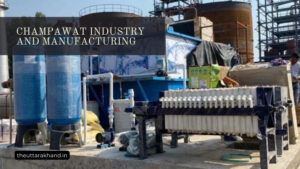
Champawat Environment Conservation

Champawat Environment Conservation
Champawat Environment Conservation
Champawat Environment Conservation : Champawat district located in the Kumaon region of Uttarakhand is blessed with rich natural resources and biodiversity. However, unsustainable development, population growth, unplanned tourism, and climate change have started impacting the fragile Himalayan ecosystem of the region. This calls for urgent conservation and protection efforts to save the environment.
Some key focus areas for Champawat environment conservation are:
Revival of Forest Cover
- Promote afforestation drives
- Conserve existing forest areas
- Curb illegal logging
Protection of Wildlife
- Conserve habitats of endangered wildlife like Asiatic black bear, musk deer etc.
- Address issues like man-animal conflict
Conservation of Water Resources
- Protect rivers, lakes, glaciers from pollution
- Promote rainwater harvesting
- Increase groundwater recharge
Waste Management
- Effective solid and liquid waste management systems
- Reduce plastic pollution
- Promote recycling and safe disposal
Promotion of Clean Energy
- Harness solar and hydro power potential
- Reduce dependence on fossil fuels
- Encourage use of clean cooking fuels
Climate Change Adaptation
- Make agriculture, infrastructure, tourism sectors more climate resilient
- Undertake vulnerability assessments
- Promote climate smart development
Gross Environment Produce (GEP)
Gross Environment Produce or GEP refers to the economic valuation of environmental products and services provided by nature in a region. It includes:
- Value of provisioning services like food, water, timber etc
- Regulating services like carbon sequestration, climate regulation etc. provided by forests and ecosystems
- Cultural and aesthetic value of landscapes
Some benefits of implementing GEP are:
- Provides incentives for conservation as communities realize economic values attached to environment
- Supports sustainable use of resources within regeneration capacity
- Guides policy making by factoring environmental costs and benefits
Champawat has abundant natural capital that provides a range of valuable ecosystem services. Calculating and monitoring the GEP can promote its sustainable use and conservation.
Key Aspects for Champawat
- Water provisioning: Rivers, lakes, glaciers provide water for irrigation, drinking, hydropower etc.
- Carbon sequestration: Forests act as sinks offsetting carbon emissions
- Soil conservation: Trees prevent soil erosion on steep Himalayan slopes
- Nature tourism: Landscapes, wildlife sanctuaries attract tourists
Revival of Natural Resources
Protecting the fragile Himalayan ecosystem is key for revival of Champawat’s natural resources. Some key measures include:
Water Resource Management
- Promote rainwater harvesting, watershed development and groundwater recharge to tackle water scarcity
- Prevent pollution of water bodies by regulating emissions from industries, urban areas etc.
- Adopt scientific irrigation methods like drip irrigation to reduce wastage
Forest and Biodiversity Conservation
- Carry out afforestation drives to increase forest cover
- Conserve habitats of endangered flora and fauna
- Promote agroforestry to reduce pressure on forests
Soil Conservation
- Undertake terracing on steep slopes
- Promote organic farming using manure and compost to enrich soil health
Clean Energy
- Tap into solar, hydro and wind energy potential by establishing renewable energy projects
- Provide clean cooking fuels to households to reduce dependence on fuelwood
Key Challenges
Some key challenges faced in environment conservation efforts in Champawat:
- Lack of awareness among communities about conservation
- Limited capacities of institutions like village forest councils
- Climate change impacts on water availability, agricultural yields etc
- Man-animal conflicts due to degraded habitats
- Lack of funds allocation for conservation projects
- Absence of GEP linked policies and incentives
Tackling these challenges require coordinated and sustained efforts between government bodies, civil society organizations and local communities.
Policy Recommendations
Some policy initiatives that can boost environment conservation in Champawat:
Natural Resource Management
- Provide GEP linked incentives to communities for forest, water source protection
- Promote decentralized community led resource monitoring and planning
- Climate proof key sectors like agriculture and disaster management
Pollution Control
- Enforce strict norms on solid waste, industrial and vehicular emissions
- Promote recycling, safe disposal and treatment solutions
- Increase monitoring of water quality in rivers and lakes
Clean Energy
- Provide subsidies and loans for rooftop solar installations, mini hydro projects
- Invest in skill development for operating renewable energy projects
Conclusion to Champawat Environment Conservation
Champawat Environment Conservation : Champawat region is endowed with rich forests, majestic mountains, rivers and biodiversity. Along with supporting local livelihoods, these also provide invaluable ecological services. Unsustainable development is beginning to take its toll necessitating urgent conservation policy and actions. These must involve participation of government agencies, civil society organizations and communities. By calculating and monitoring GEP, adopting sustainable resource use approaches and climate proofing key sectors, a balance can be achieved between development needs and environmental conservation. This will ensure enduring ecological and economic prosperity of the region.