Dehradun History: Tracing the Origins

Dehradun History: Tracing the Origins
Dehradun History
Dehradun History, the picturesque capital city nestled in the Doon valley between the Himalayan foothills and the Shivalik ranges, is one of the most popular tourist destinations in India. This city with its pleasant climate, scenic surroundings, ancient temples, elite boarding schools, and military establishments has an intriguing history behind its name.
The name “Dehradun” is actually a combination of two words – “dera” meaning camp or temporary settlement, and “dun” meaning valley. Over the years, Dehradun has been alternatively called Dehra Dun, Dehradun, and Dehra Doon.
So how did this city get its name? What is the origin of the word “dera” and why is the valley called “dun”? Let’s go back in time to trace the history and unravel the mystery behind the name.
The Myths and Legends Behind the Name
There are many interesting myths and legends that offer an explanation behind the origin of the name “Dehradun”. Here are some of the most popular ones:
The Drona Ashram Theory
According to ancient texts like the Skanda Purana, the area around Dehradun was known as “Kedar Khand” in the epics period. It is said that this land was the site of the ashram (hermitage) of the legendary guru Dronacharya, the teacher of the Pandavas and Kauravas in the Mahabharata.
The term “dun” refers to the low-lying lands at the foothills, similar to the terrain of the Doon valley. So as per this legend, Dehradun got its name from “Drona Dun” meaning “Drona’s Valley”.
The Ram Rai Settlement Theory
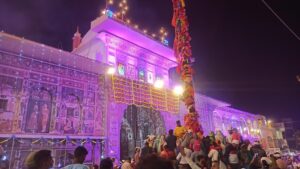
The most well-known story traces the origin of the name to the time of establishment of the Sikh sect called “Udasi” by Baba Ram Rai, the elder son of the seventh Sikh guru Har Rai.
As per historical accounts, Ram Rai was expelled from the Sikh mainstream and exiled by Aurangzeb to the wilderness of the Doon valley in the late 17th century. He set up his camp or “dera” in the area of present-day Dehradun, which then came to be known as “Dehra” after his dera or abode.
The Shiva Temple Theory
According to another legend, the original name of Dehradun was Dehra Tapkeswar which over the years got shortened.
The Tapkeshwar Mahadev temple on the banks of a stream in Garhi Cantt of Dehradun houses a Shiv Linga on which water droplets continuously fall. The name “Tapkeswar” means the “Lord of dripping water” (Shiva), so the legend says that Dehradun derived its name from this ancient temple.
Recorded Etymology and History
While the myths and legends offer an intriguing back story, the actual documented Dehradun History provides more concrete evidence on the origin of its name:
Early Mentions as the Doon Valley
The initial references to the valley can be traced back to around 700-1100 CE in ancient texts, where it has been called the “Doon valley” rather than Dehradun.
The geography and terrain of the region have been described in detail without any mention of the name Dehra or Dehradun. So it is clear that the present-day name emerged much later.
Emergence of the City in the 18th Century
Most scholars believe that modern-day Dehradun started taking shape in the late 18th century around the time of establishment of Ram Rai’s camp. While the Udasi sect followers set up their base here, the expansion of the settlement is attributed to the influx of other communities in the region.
The word “dera” literally means a campsite or temporary dwelling. So as per documented evidence, Dehra refers to the establishment of the initial dera or camp settlement by Guru Ram Rai and his followers when they were exiled here during Aurangzeb’s reign in the 1670s.
Advent of British Rule in Dehradun History
In 1815, the Gurkhas were driven out from the Garhwal region by the British forces. Subsequently, Dehradun and its surrounding areas were captured and annexed by the East India Company.
The location’s pleasant climate and terrain soon caught the attention of the colonial rulers. They set up military garrisons and elite public schools in the early 19th century, leading to further development of the settlement.
The traditional name “Dehra” was anglicized to Dehra Dun or Dehradun by adding the local word “dun”, meaning valley or low-lying land at the foothills. This name became the official name used by the British government and later standardized across India as Dehradun History.
Conclusion to Dehradun History
Dehradun History : The Doon valley’s natural scenic beauty, moderate climate, and abundance of natural resources have attracted settlers since ancient times. But the foundation of the modern city of Dehradun was laid in the 18th century when Guru Ram Rai set up his camp here on being exiled by Aurangzeb.
While the early myths linked the name to legends of Drona and ancient temples, the actual origin refers to the “dera” (camp) set up by Ram Rai which over time led to the establishment and expansion of permanent settlements.
The traditional name “Dehra” denoting this original camp was combined with the local term “Dun” or Doon valley, leading to the emergence of the current name “Dehradun” meaning “Rama’s camp valley”.
Over the last 250+ years, Dehradun has developed into an important center of education, tourism, scientific institutions, and the armed forces. The city with its pleasant climate continues to captivate residents and tourists alike while preserving within its name the echoes of a fascinating history.