Forestry and Natural Resources in Rudraprayag

Forestry and Natural Resources in Rudraprayag
Forestry and Natural Resources in Rudraprayag
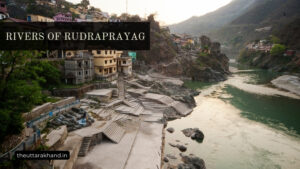
Forestry and Natural Resources in Rudraprayag : Rudraprayag district lies in the Garhwal region of Uttarakhand state in northern India. The district is named after the holy town of Rudraprayag, where the Alaknanda and Mandakini rivers meet. The district has a predominantly mountainous terrain, with the Himalayan ranges, hills, and valleys dominating the landscape.
Forestry and natural resources play a vital role in Rudraprayag’s economy and ecology. The district is richly endowed with diverse flora, fauna, forests, rivers, and mineral wealth. However, pressure from human activities poses some threats to the sustainability of these resources. Proper management is crucial for balancing ecological preservation and economic development in the region.
The Role of Forestry in the Local Economy
Importance of Forests
Forests cover around 2,085 sq km, forming 62.5% of Rudraprayag’s total geographical area. The major forest types include subtropical pine forests, Himalayan moist temperate forests, Himalayan dry temperate forests and sub-alpine forests.
Besides providing ecological stability, forests significantly contribute to the district’s economy in many ways:
- Timber: Valuable timber obtained from trees like Deodar, Pine, Oak, Rhododendron etc.
- Fuelwood: Major source of energy for heating and cooking needs of local communities.
- Fodder: Fulfils fodder needs of livestock.
- Non-Timber Forest Produce (NTFP): Products like medicinal herbs, wild fruits, nuts, resin, bamboo etc. provide subsistence and cash income.
- Eco-tourism: Attracts tourists for trekking, camping, bird watching, angling etc. Generates employment.
Challenges and Threats
While forests provide sustenance and livelihoods to local communities, increasing anthropogenic pressures pose some key challenges:
- Overexploitation: Unsustainable harvesting of timber, excessive lopping and grazing.
- Forest fires: Frequent during summer, cause habitat loss.
- Invasive species: Weeds like Lantana and Parthenium, affect regeneration.
- Climate change: Changing temperature and rainfall patterns, affect species distribution and regeneration.
- Encroachment: For agriculture and settlements. Leads to habitat loss.
Diverse Flora in Rudraprayag
Rudraprayag lies in the Northwest Himalayan biogeographic zone. The district harbours diverse flora owing to the varied climatic, altitudinal and edaphic factors.
Major Forest Types
The major forest types in the district include:
- Subtropical pine forests: Dominated by Chir Pine. Found below 1500m elevation.
- Himalayan moist temperate forests: Broadleaf forests with Oak, Rhododendron, Maple etc. Between 1500-2500m.
- Himalayan dry temperate forests: Chir Pine, Oak. 2500-3000m elevation.
- Sub-alpine forests: Birch, Rhododendron, fir. Above 3000m elevation.
Key Flora
Some major floral species found in the district are:
Trees: Deodar, Pine, Oak, Rhododendron, Maple, Birch
Shrubs: Indigo berry, Barberry
Herbs: Brahma Kamal, Orchids, Ferns
Climbers: Clematis, Wild grape
Grasses: Themeda, Arundinella
Agricultural crops: Paddy, Wheat, Potato, Amaranthus
Fruits: Apple, Peach, Apricot, Walnut
Medicinal Plants: Kutki, Bach, Mamira, Kakoli
Diverse Fauna in Rudraprayag
The forests and alpine meadows of Rudraprayag provide excellent habitat for diverse wildlife species.
Mammals
Some key mammalian fauna found here include:
- Carnivores: Leopard, Jackal, Yellow-throated Marten, Himalayan Palm Civet
- Herbivores: Himalayan Tahr, Musk deer, Goral, Barking deer, Wild boar, Rhesus Macaque
- Small mammals: Himalayan weasel, Royle’s Mountain Vole, House rat
- Endangered species: Snow leopard, Brown bear
Birds
Over 225 bird species inhabit the region. Some important ones are:
- Pheasants: Koklass, Kalij, Monal
- Raptors: Lammergeier, Golden eagle, Long-legged buzzard
- Others: Spotted forktail, Scaly-bellied woodpecker, Blue-capped redstart, Black bulbul
Reptiles
Reptile species found here include:
- Snakes: Common Krait, Indian cobra
- Lizards: Himalayan crestless lizard, Indian chameleon
- Turtles: Spotted pond turtle
Amphibians
Common amphibians include Indian bull frog, Marbled toad.
Threatened Fauna
Many wildlife species face threats from habitat loss and hunting pressures. These include:
Mammals: Snow leopard, Musk deer, Brown bear, Himalayan wolf
Birds: Cheer pheasant, Western tragopan
Reptiles: King cobra
Natural Resources
In addition to rich forests and biodiversity, Rudraprayag has important natural resources that provide sustenance and livelihoods.
Rivers
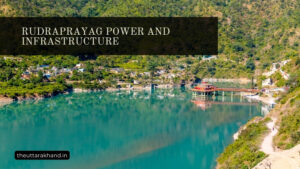
The key rivers flowing through the district are Alaknanda, Mandakini, Pindar and Nandakini. These rivers support freshwater biodiversity, provide water for irrigation and household needs. Hydropower projects have also been developed across rivers.
Minerals
Minerals found in the region include magnesite, copper, soapstone, gypsum and limestone. These have mining potential, but environmental regulations curb largescale extraction.
Medicinal Plants
Himalayan herbs like Kutki, Bach, Mamira, Chirayata etc. have high medicinal value. They provide income from collection and sale. But overharvesting is affecting natural regeneration of many species.
Ecotourism
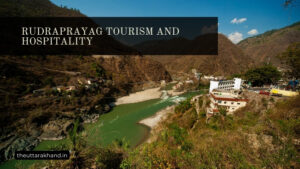
With mountain peaks, valleys, forests, rivers and cultural heritage, Rudraprayag offers rich ecotourism opportunities related to trekking, mountaineering, camping, bird watching, village tours, temple visits etc. Community-based tourism initiatives provide local employment and supplement livelihoods.
Key Challenges and Way Forward in Forestry and Natural Resources in Rudraprayag
While Rudraprayag is endowed with rich natural capital essential for ecological stability and economic growth, some key challenges need focused efforts:
- Curtailing unsustainable exploitation of forests. Promoting community participation for protection and sustainable harvesting.
- Preventing wildlife habitat degradation and poaching through conservation awareness and strict protection.
- Checking unregulated mass tourism, solid waste and vehicular pollution. Following eco-friendly tourism guidelines.
- Framing policies to balance hydropower development with river conservation. Implementing environmental flows.
- Promoting cultivation of medicinal herbs, wild fruits and sustainable NTFP harvesting to prevent overexploitation. Providing marketing support.
- Overall, adopting integrated approaches aligning livelihood needs and ecological sustainability.
The way forward involves strong political commitment and a landscape-level vision for maintaining Rudraprayag’s natural capital – its biodiverse forests, wildlife, rivers and ecosystems that sustain the mountain environment and communities inhabiting it. The road ahead demands inclusive and eco-sensitive pathways that balance conservation and development needs.
Conclusion of Forestry and Natural Resources in Rudraprayag
Forestry and Natural Resources in Rudraprayag : Endowed with the breath-taking Himalayan ranges, valleys and river systems, Rudraprayag harbours rich biodiversity across its forests, alpine meadows and aquatic ecosystems. These natural ecosystems provide a range of ecosystem services and underpin the ecological and economic security of mountain communities.
While pressures from unsustainable resource use poses some threats, adoption of science-based conservation approaches aligned with local livelihood needs can pave the way for a sustainable future where ecological integrity goes hand-in-hand with community well-being. The effects of climate change underscore the urgency for such integrated frameworks to build the resilience of mountain ecosystems as well as mountain people whose culture, identity and survival is intricately linked with these life-supporting yet fragile environments.