Geography of Nainital District

Geography of Nainital District
Geography of Nainital District
Geography of Nainital District : Nainital district is located in the Kumaon division of Uttarakhand state in northern India. The district has a total geographical area of 4,251 sq km. Geographically, Nainital district can be divided into two zones – the Hilly zone and the Bhabar zone.
Geography of Nainital District : Hilly Zone
Location and Boundaries
The hilly region of Nainital district lies in the outer Himalayas, known to geologists as Krol. It is located approximately between 80°14’ and 78°80’ east longitude and 29°00’ and 29°05’ north latitude.
To its north lies the Almora district and to its south lies the Udham Singh Nagar district. Champawat district flanks it to the east while Pauri Garhwal district lies to its west.
Mountain Ranges
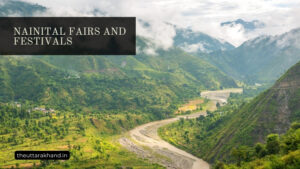
The northern side of the hilly region is bounded by the Himalayan ranges while the southern side borders the plains. This results in a pleasant climate in the district.
Some of the important mountain peaks and ranges found in the hilly zone of Nainital district include:
- Baudhansthali – The highest peak in the district at 2,623 m
- Ayarpatta Range
- Deopatha Range
Valleys
The major valleys located in the hilly region of Nainital district include:
- Nainital Valley – Location of the famous Nainital Lake
- Bhimtal Valley – Home to the Bhimtal Lake
- Sattal Valley – Where the cluster of Sattal Lakes is located
- Naukuchiyatal Valley – Surrounding the Naukuchiatal Lake
Lakes
The hilly terrain of the Nainital district is characterized by several beautiful lakes. Some of the most well-known lakes in the region include:
- Nainital – The pear-shaped lake after which the town and district is named.
- Bhimtal – Largest lake in the region. Home to an aquarium island.
- Naukuchiatal – Deepest lake in region, with nine corners.
- Sattal – Unique cluster of seven interconnected freshwater lakes.
- Bhokara Tal
- Nal Damyanti Tal
- Garud Tal
- Trails End Tal
Climate
The resultant climate of the hilly region is highly enjoyable and picturesque. The presence of the Himalayas in the north and the plains to the south creates a moderate climate.
Summers are mild and pleasant while winters can get quite cold with some higher altitude areas receiving snowfall.
Biodiversity
The hilly region of Nainital district is home to diverse flora and fauna. Some prominent species found here include:
Trees: Deodar, Pine, Oak, Rhododendron, Chestnut
Wildlife: Leopard, Black bear, Barking deer, Pheasants
Birds: Eurasian eagle-owl, Kalij pheasant, Woodpeckers
Bhabar Zone
Location and Boundaries
The Bhabar zone refers to the foothill area of the Nainital district bordering the plains. It is located to the south of the hilly region.
Terrain and Rivers
The terrain in the Bhabar region consists of vast gravel and boulder beds with little vegetation. The underground water table lies at great depths here.
The major river flowing through the western part of the Bhabar zone is River Kosi. It originates near Kausani in the hills and flows down to meet River Ramganga in the plains.
Some other rivers in the Bhabar region include Gaula, Bhakra, Dabka and Baur. Most of these have been dammed to create reservoirs for irrigation purposes.
Climate and Vegetation
The Bhabar zone has a sub-tropical climate with very hot summers and cool, short winters. The annual rainfall is around 100 cm, mostly occurring during the monsoon season.
The vegetation consists mostly of tall grasslands, giving the region its name Bhabar, derived from a type of tall grass found here. There are some scattered trees and bushes too, especially along the rivers and streams.
Wildlife
The Bhabar zone has rich wildlife inhabiting its forests and grasslands. Prominent animal species found here include tigers, leopards, sloth bears, barking deer, wild boars, porcupines and pythons among others.
The wetlands created by dam reservoirs attract many migratory birds during the winter season.
Conclusion to Geography of Nainital District
Geography of Nainital District : The unique geography of Nainital district with its juxtaposition of mountains, lakes, forests and plains makes it one of the most scenic places in Uttarakhand. The lakes dotted across its hilly terrain along with the spectacular Himalayan peaks lend Nainital an alpine charm that attracts tourists from India and abroad.
At the same time, the contrasting geography of the Bhabar zone with its tropical climate and grasslands adds to the diversity of the district. The presence of important rivers like Kosi and rich biodiversity makes Nainital an ecologically significant region as well.