Haridwar Center of Learning : Arts, Science and Culture
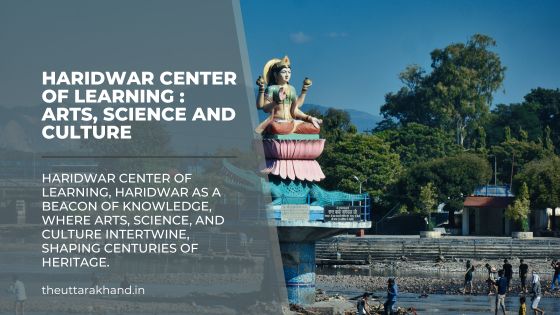
Haridwar Center of Learning : Arts, Science and Culture
Introduction to Haridwar Center of Learning
Haridwar Center of Learning : Haridwar, meaning “Gateway to God”, is an ancient city located in the Haridwar district of Uttarakhand. Known for its religious significance and location on the banks of the holy Ganga river, Haridwar has also been an important center for learning arts, science and culture since ancient times.
The district of Haridwar covers an area of about 2360 sq km and lies in the western part of Uttarakhand. Its history can be traced back to the time of legendary King Bhagirath who brought the River Ganga from heaven to earth to provide salvation to his ancestors. Haridwar has been home to sages, saints and scholars for millennia and is considered one of the seven holiest places for Hindus.
Let’s explore the role of Haridwar over the ages as an abode of learning and culture.
Haridwar as a Center of Traditional Gurukul Education
Haridwar has been home to the ancient tradition of Gurukul education system since time immemorial. Gurukuls focused on studying scriptures, puranas, yoga, Sanskrit language, Indian system of medicine, philosophy, warfare skills, and more.
Some prominent gurukuls located in Haridwar district are:
Gurukul Kangri University
Founded in 1902 by Swami Shraddhanand, Gurukul Kangri University is located near Haridwar in Kankhal town. It has produced many scholars in literature, philosophy, ayurveda, political science and other fields. The Gurukul offers both traditional Vedic education along with modern subjects and professional courses.
Dev Sanskriti Vishwavidyalaya
Established in 2002, DSV is a modern gurukul located in Shantikunj, Haridwar. It focuses on Indian traditional learnings along with yoga, psychology, management, and vocational education. The Chancellor of Dev Sanskriti University is revered spiritual leader Dr. Pranav Pandya.
Parmarth Niketan Ashram
Parmarth Niketan in the Swargashram area of Rishikesh has been imparting spiritual teachings, yoga, Sanskrit language and Vedic scriptures to students from India and abroad since 1942. Under the leadership of Pujya Swami Chidanand Saraswatiji, the ashram runs various charitable programs for society.
So from ancient times until present day, Haridwar has been home to traditional gurukul system of education which has produced many scholars, philosophers and thinkers who have spread the light of Indian knowledge and culture far and wide.
Haridwar as a Center for Ayurveda and Herbal Medicine
The ancient Indian system of Ayurvedic medicine has flourished in Haridwar over centuries. The region’s lush forests and rivers provide abundant natural herbs and minerals used for preparing Ayurvedic formulations and medicines.
Some key facts showing Haridwar’s contributions in Ayurveda:
- Texts like Charak Samhita (1000 BCE) and Sushruta Samhita (500 BCE) mention Haridwar as a source of medicinal herbs and plants
- Local vaids and hakims have formulated thousands of herbal remedies drawing from Ayurveda and Unani medical traditions
- Haridwar has been supply source of Ayurvedic medicines for pharmacies across India
- Many ashrams in Haridwar region have practiced naturopathy, yoga, and Ayurveda for treating patients
- Patanjali Yogpeeth in Haridwar has advanced research and manufacturing facilities for Ayurvedic medicines & products
Thus, Haridwar region’s forests, mountains and rivers that have nourished Ayurveda & herbal products for health and wellness since ancient times.
Haridwar as a Center for Arts & Crafts
The holy city of Haridwar, located on the foothills of Shivalik ranges, has been home to thriving arts, crafts and cottage industries for hundreds of years. Some examples:
Stone and Wood Carving
Statues of deities, carved out of stone or wood, are a specialty of Haridwar. Intricately carved stone idols of Gods and Goddesses are supplied from Haridwar to temples across India. The stone carving tradition can be traced back to 8th century king Suchat Singh who got huge stones carved out of Neel Parvat.
Brassware & Copperware
Haridwar produces beautifully crafted brass and copper pots, vessels, decorative pieces which are exported as well. The brassware industry employs thousands of skilled artisans in Haridwar.
Bead Jewelry
Colorful jewelry and accessories made from glass and gemstone beads are a popular craft. Local women create beautiful bead necklaces, earrings, bangles, rings and more which are sold in shops across Haridwar.
Handmade Paper Products
The city is known for handmade paper products like journals, lampshades, bags, folders, decorative pieces etc. Intricate designs and patterns are a unique aspect. Major paper product hubs are located in Bhimgoda and Mayapur areas.
So Haridwar has been nourishing diverse arts, crafts and cottage industries for ages – providing livelihoods to thousands of skilled artisans and keeping India’s cultural heritage alive.
Haridwar as a Center for Religion, Philosophy & Spirituality
Haridwar Center of Learning : Haridwar has developed as a center for spiritual seekers, philosophers and religious scholars over the millennia due to the presence of the holy Ganges and temples of great antiquity in the region.
Some examples of Haridwar’s religious importance:
- It is one of the four locations where drops of elixir of immortality fell during Samudra Manthan, hence the Maha Kumbh Mela held here every 12 years
- Sages like Gautam Rishi, Kapila Muni and others performed penance here
- Adi Shankaracharya set up one of his four monastic centers (Jyotirmath) here in 8th century
- Haridwar hosted religious scholars and leaders like Goswami Tulsidas, Swami Vivekananda, Anandamayi Ma and several more over the centuries
From ancient ashrams on the Ganges to modern spiritual centers like Rishikesh (20 km from Haridwar), the district has been illuminating world with the light of Indian philosophy, religion and yogic science since the Vedic age.
Conclusion to Haridwar Center of Learning
In summary, Haridwar has served as an active center of learning arts, science and culture since very ancient times – as highlighted by its contributions in areas like traditional gurukul education system, Ayurvedic medicine system, diverse arts & crafts as well as religion & philosophy.
The holy city’s location on the banks of River Ganga along with its spiritual heritage has attracted sages, scholars, physicians, artists and religious leaders over the millennia. From the Vedic age to the modern times – Haridwar has kept the flame of Indian civilization burning bright.
Its living culture is manifested beautifully in the daily evening Ganga aarti ceremony at Har Ki Pauri Ghat which is attended by thousands including pilgrims, tourists, sadhus and devotees. So Haridwar continues to be a vibrant hub for learning India’s ancient wisdom and cultural heritage.