Haridwar Ganga Aarti : Aarti at Har Ki Pauri’s Ghats
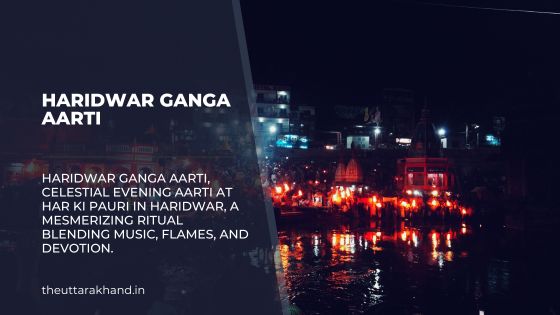
Haridwar Ganga Aarti : Aarti at Har Ki Pauri's Ghats
Haridwar Ganga Aarti
Haridwar Ganga Aarti : The holy city of Haridwar, meaning “Gateway to God”, is one of the seven sacred cities for Hindus located on the banks of the River Ganges. Every evening as dusk descends on the city, an elaborate aarti ceremony is performed at Har Ki Pauri ghat, infusing the atmosphere with a glorious and divine aura.
Thousands gather at the ghats to partake in this magical experience. The resonating sounds of bells, drums, chanting, clapping and the flaming lamps create a sense of grandeur and spectacle that is unmatched. This evening ritual is the very heartbeat of Haridwar.
The Legend and Significance of Haridwar Ganga Aarti
According to Hindu mythology, during the Samudra Manthan when the gods and demons churned the cosmic ocean for Amrit (the nectar of immortality), a few drops fell in Haridwar. It is believed these drops gave the water of the Ganges flowing through Haridwar the power to cleanse one’s sins and achieve moksha or salvation.
The Brahma Kund at Har Ki Pauri is considered to be the spot where the Amrit fell. Hence this spot is revered as extremely sacred. The evening aarti pays tribute to the holiness of Ganga river as a Goddess and the divine power it inherits at this spot.
Haridwar Ganga Aarti : Bringing the Gods to Earth
The aarti begins when the giant brass lamps are lit with a burning camphor and raised high by the priests facing the Ganga. The lamps are moved in a circular motion in rhythmic style, offered to the Goddess.
The priests then ring the temple bells in a powerful resonance signifying the arrival of the Gods to the ghats. The aarti builds into a crescendo as the experience engulfs the devotees.
The Musical Invocation
As the lamps blaze brighter, the chants grow louder, with hundreds of people joining in the hypnotic rendition of “Har Har Gange”. The clanging of bells, sounds of the gongs, drums and cymbals fill the air as the musical invocation resonates powerfully along the riverbanks.
The music and singing complement the graceful circular movements of the lamps by the priests, creating a visual symphony in devotion and reverence.
The Flaming Camphor
In the grand finale, the head priest ignites a huge camphor plate with a burning torch. As it blazes brightly in the dark, he rotates it in spectacular fashion before the Goddess. The camphor flames signify the presence of Ganga Maa at the ghats to accept the devotees’ prayers.
Finally the camphor is left to burn out floating on the river, taking with it the devotees’ wishes and sins. The devotees cup the holy water in their palms, raising it to the heavens seeking benediction.
The Transforming Power of Faith
Participating in the aarti is an ethereal experience, the scale of its grandeur leaves one enthralled. Watching the priests perform the elaborate rituals against the backdrop of the glittering Ganges fills one’s heart with divine awe and joy.
The faith of devotees is almost palpable, their belief in the sanctity of the ritual absolute. Praying at that moment with the glowing diyas, one cannot help but feel transformed. The soul truly feels the presence of spiritual energy as devotion merges into the spectacle.
Nightly Spectacle, Eternal Memory
Come evening, the ghats fill up with thousands jostling for space to best experience the aarti. The steps lining the river, the bridges, boats and even rooftops overflow with eager devotees and tourists.
All eyes are glued to the priests and the lamps, the spectacle reflected in the shimmering Ganges. Enthralled ‘oohs’ and ‘aahs’ arise from the crowd as the performance builds into a glorious crescendo of light, sound and devotion.
As the last camphor flames extinguish and the music dies down, there is a moment of profound silence. Every soul feels blessed to have partaken of this living heritage. This spectacular aarti leaves memories for a lifetime!
Conclusion to Haridwar Ganga Aarti
Haridwar Ganga Aarti : The evening aarti at Haridwar’s Har Ki Pauri ghat is a stunning visual treat for the eyes and food for the soul. More than a ritual, it is an experience as devotees bask in the divine glow of the lamps, carried away by the spiritual high of chanting, music and spectacle.
Watching the golden diyas dance in the hands of priests, flames blazing brightly with the dark river as the backdrop, one cannot help but feel a sense of magic in the air.
The faith of thousands gathered, the fervor in their voices, the joy on their faces as they raise their hands in prayer makes it clear – this is more than a religious ritual. This is a celebration of life at the doorstep of the Divine.