Rivers of Rudraprayag

Rivers of Rudraprayag
Rivers of Rudraprayag
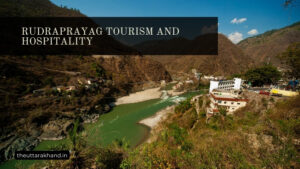
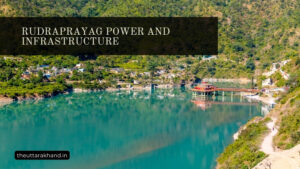
Rivers of Rudraprayag : Rudraprayag district is located in the Garhwal region of Uttarakhand state in India. The district is named after the holy town of Rudraprayag, where the rivers Alaknanda and Mandakini meet. Rudraprayag district is blessed with numerous rivers, streams and natural water bodies that are integral to the local ecosystem and economy.
Major Rivers Originating from Rudraprayag District
The following are the major rivers that originate from or flow through Rudraprayag district:
1. Alaknanda River
The Alaknanda River originates from the Satopanth and Bhagirath Kharak glaciers in Uttarakhand. It flows through the district for nearly 70 kms, merging with the Mandakini River at Rudraprayag town to form the Ganga River.
The Alaknanda provides water for irrigation and hydropower generation. It is considered sacred in Hinduism and many temple towns and pilgrimage sites like Joshimath, Nandaprayag, Karnaprayag, etc. are located on its banks. Rafting on the Alaknanda River is popular tourist activity.
2. Mandakini River
The Mandakini River originates from the Chorabari Glacier near Kedarnath in Rudraprayag district. It is fed by Vasukiganga River and flows for 51 kms before merging with the Alaknanda River at Rudraprayag.
The Mandakini River is of great religious significance as the temple town of Kedarnath is located on its banks. The river provides water for irrigation and local usage. Mandakini is also popular for rafting.
3. Vasuki Ganga River
Vasuki Ganga River originates from the Vasuki Tal lake located at an altitude of 4,150 metres near Kedarnath. It flows through the Kedarnath valley before merging into the Mandakini River.
Vasuki Ganga carries high sediment loads from glaciers and mountain erosion. It provides an important water source for local communities and is considered sacred.
4. Bhilangna River
The Bhilangna River originates from the Ghansali village located at an altitude of 3,096 metres in Rudraprayag district. It flows for 84 kms before its confluence with the Alaknanda River near Helang village.
Bhilangna River provides water for irrigation and local usage. A hydropower project has been constructed on Bhilangna River near Ghansali village.
5. Birahi Ganga River
Birahi Ganga originates from the Nainital district and enters Rudraprayag near Augustmuni. It flows through the Tons valley in a south-westerly direction for 95 kms before joining the Alaknanda River.
Birahi Ganga provides irrigation waters to the Tons valley through its tributaries and distributaries. It also provides habitat for fish and other aquatic life.
Significance of Rivers in Local Ecosystem & Economy
The rivers of Rudraprayag district provide the following ecological and economic functions:
1. Source of Water
The rivers provide water for drinking, irrigation, electricity generation, industry, tourism and other uses for the local communities. The glacier-fed rivers maintain water flows throughout the year.
2. Agriculture & Irrigation
The rivers provide irrigation waters for growing crops in the valleys and plains through diversion channels and lift irrigation. Paddy, wheat and other crops are grown using waters from Alaknanda and Mandakini rivers.
3. Hydropower Generation
Many hydropower projects have been developed on the Alaknanda and Mandakini rivers and their tributaries like Bhilangna, Birahi Ganga, etc. These projects provide electricity to Uttarakhand and other states.
4. Inland Water Transport
Some of the larger rivers are used for inland ferry transport to connect remote mountain villages during monsoon period when roads get damaged.
5. Support Biodiversity
The rivers provide habitat for fish, aquatic vegetation and support rich biodiversity in their flood plains and wetlands. Many rare bird, animal and plant species are found in the river ecosystems.
6. Recharge Groundwater
Rivers recharge groundwater aquifers along their channels by seepage into underlying permeable sediments. Springs and wells in the mountain villages get recharged by the flowing rivers.
7. Tourism Industry
Many tourist resorts, hotels and rafting camps have come up along the Alaknanda and Mandakini rivers. Pilgrimage tourism flourishes on the sacred river banks enhancing the local economy.
8. Cultural & Religious Significance
The rivers have sacred significance with ritual bathing during festivals and religious events. Many temples and pilgrimage sites like Kedarnath are situated on the river banks.
Other Natural Water Bodies in Rudraprayag District
Apart from rivers, Rudraprayag district has many lakes, ponds and smaller streams that provide water for local usage:
1. Vasuki Tal
Vasuki Tal is a high altitude lake located at 4,150 metres near Kedarnath. It is the source of the Vasuki Ganga River and has crystal clear blue waters.
2. Deoria Tal
Deoria Tal is a scenic lake located at an altitude of 2,440 metres near Ukhimath. It has boating facilities and is a popular tourist spot.
3. Nachiketa Tal
Nachiketa Tal is a picturesque Himalayan lake located at 4,080 metres above sea level in the Garhwal region of Rudraprayag district.
4. Sattal
Sattal or Sat Tal refers to a cluster of seven interconnected freshwater lakes situated in the lower Himalayan range near Kathgodam.
5. Smaller Streams
Numerous smaller streams and gadheras originating from the mountains provide water for local villages and sprinkle irrigation.
Conclusion to Rivers of Rudraprayag
Rivers of Rudraprayag : The rivers and other water bodies of Rudraprayag district are critical for sustaining the unique Himalayan ecosystem as well as supporting the livelihoods of local communities through irrigation, hydropower, transport and tourism. Maintaining the health and flow of these river systems through sustainable policies is vital for the ecological security and economic development of the mountain region. The rivers are also culturally and spiritually significant lifelines that connect remote villages with the great Indian plains.
FAQs on Rivers of Rudraprayag
Q1. Which are the major rivers originating from Rudraprayag district?
A1. The major rivers originating from Rudraprayag district are Alaknanda, Mandakini, Vasuki Ganga, Bhilangna and Birahi Ganga.
Q2. Where does river Alaknanda originate from and meet river Mandakini?
A2. The Alaknanda river originates from Satopanth and Bhagirath Kharak glaciers and meets river Mandakini at Rudraprayag town.
Q3. What is the significance of Mandakini river?
A3. The Mandakini river is religiously significant as temple town of Kedarnath is located on its banks. It provides water for irrigation and local usage.
Q4. Which rivers are popular for river rafting in Rudraprayag?
A4. The Alaknanda and Mandakini rivers are popular destinations for white water rafting and kayaking in Rudraprayag district.
Q5. How do Himalayan rivers support local ecology and economy?
A5. The rivers provide water, hydroelectricity, irrigation for agriculture, inland transport, tourism, support biodiversity and are culturally important.