Wildlife Sanctuaries of Uttarakhand

Wildlife Sanctuaries of Uttarakhand
Wildlife Sanctuaries of Uttarakhand
Wildlife Sanctuaries of Uttarakhand : Uttarakhand, with its diverse landscapes and rich ecosystems, is home to a variety of national parks and sanctuaries that harbor an incredible array of flora and fauna. These protected areas not only serve as a haven for wildlife but also offer a unique opportunity for visitors to explore and appreciate the natural beauty of the region.
National Parks and Sanctuaries of Uttarakhand: A Wildlife Paradise
Uttarakhand boasts a rich array of national parks and sanctuaries, each offering a unique experience for nature enthusiasts and wildlife lovers. Some of the notable protected areas in the state include:
- Govind (Pashu Vihar) Wildlife Sanctuary: Located in the Uttarkashi district, this sanctuary spans over an area of 953 sq. km and was established in 1955. Surrounded by snow-clad peaks and glaciers, the sanctuary is a popular destination for trekkers and nature enthusiasts.
- Kedarnath Sanctuary: Established in 1972, the Kedarnath Sanctuary covers an area of 967 sq. km in the Garhwal region. The sanctuary is home to a diverse range of fauna, including snow leopards, snow cocks, tahr, musk deer, leopards, and serow, as well as numerous species of birds.
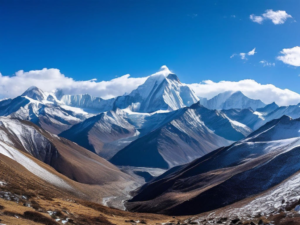
- Nanda Devi Sanctuary: Situated in the Chamoli district, this sanctuary lies adjacent to the Nanda Devi peak and was established in 1980. Accessible only by foot, the sanctuary covers an area of 630 sq. km and is home to a variety of wildlife, including snow leopards, Himalayan bears, musk deer, and pheasants.
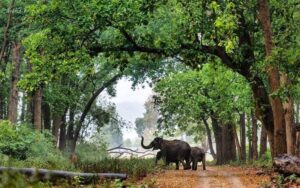
- Rajaji National Park: Spread over an area of 820 sq. km in the Dehradun and Haridwar districts, Rajaji National Park is rich in faunal wealth, with over 315 species of birds, mammals, reptiles, and amphibians. Visitors can spot a variety of animals, including elephants, tigers, leopards, hyenas, and jackals.
- Valley of Flowers National Park: Established in 1982, the Valley of Flowers is a UNESCO World Heritage Site and a paradise for nature lovers and botanists. Covering an area of 87.5 sq. km, the park is home to a diverse range of alpine flowers and a variety of wildlife, including snow leopards, Himalayan black bears, musk deer, and numerous species of birds.
- Askot Sanctuary: Located in the Pithoragarh district, Askot Sanctuary is known for its ancient forts and rich cultural heritage. Spread over an area of 792.59 sq. km, the sanctuary is home to a variety of wildlife, including snow leopards, Himalayan black bears, musk deer, snow cocks, tahrs, bharals, monals, chirs, koklas, pheasants, and chukors.
- Binsar Sanctuary: Situated in the Kumaon Himalayas, Binsar Sanctuary was once the summer capital of the Chand kings. Spanning over an area of 47.04 sq. km, the sanctuary offers breathtaking views of the Himalayas and is a haven for birdwatchers, with over 200 species of birds recorded in the area.
- Corbett National Park: Established in 1936, Corbett National Park is India’s first national park and extends over an area of 1,318.54 sq. km in the Pauri Garhwal and Nainital districts. Home to a variety of wildlife, including tigers, elephants, leopards, hyenas, jackals, deer, and bears, the park is a must-visit destination for nature enthusiasts and wildlife lovers.
Wildlife Sanctuaries of Uttarakhand :
- Q: What are the major wildlife sanctuaries in Uttarakhand?
A: Some of the major wildlife sanctuaries in Uttarakhand include Govind Pashu Vihar, Kedarnath Sanctuary, Nanda Devi Sanctuary, Rajaji National Park, Valley of Flowers National Park, Askot Sanctuary, Binsar Sanctuary, and Corbett National Park. - Q: Which wildlife sanctuary in Uttarakhand is home to the snow leopard?
A: Snow leopards can be found in several wildlife sanctuaries in Uttarakhand, including Govind Pashu Vihar, Kedarnath Sanctuary, Nanda Devi Sanctuary, and Askot Sanctuary. - Q: What is the best time to visit the wildlife sanctuaries in Uttarakhand?
A: The best time to visit the wildlife sanctuaries in Uttarakhand varies depending on the specific sanctuary and the altitude. Generally, the months from October to June are the best for wildlife spotting, while the monsoon season (July to September) should be avoided due to heavy rainfall and landslides.
These national parks and sanctuaries not only provide a safe haven for Uttarakhand’s diverse wildlife but also contribute significantly to the region’s ecotourism, offering visitors a unique opportunity to explore and appreciate the natural beauty of the state.