Geographic Personalities Of Uttarakhand

Geographic Personalities Of Uttarakhand
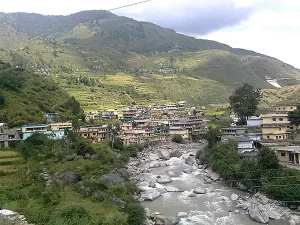
Geographic Personalities Of Uttarakhand, Uttarakhand, fondly referred to as ‘Devbhumi’ or ‘Land of the Gods’, is a stunning Indian state nestled amidst the majestic Himalayas. Divided into two divisions, Garhwal and Kumaon, consisting of 13 districts with Dehradun serving as the interim capital and largest city, the region boasts diverse landscapes, abundant natural resources, and unique cultural heritage. This article delves deeper into the intriguing aspects of Uttarakhand’s geographic personalities, ecological significance, touristic appeal, and historical importance.
Geographical Personalities and Ecological Zones:
Surrounded by Himachal Pradesh, Uttar Pradesh, Nepal, and China, Uttarakhand stretches across an impressive 53,484 km². Of this, approximately 93% consists of mountainous terrain while 65% remains densely forested. Its varied topography includes famous Himalayan peaks like Nanda Devi, Kedarnath, Trishul, Bandarpunch, and Mt. Kamet, and vital glaciers like Gangotri, Pindari, Milam, and Khatling. Twelve significant ecological zones call Uttarakhand home, including:
- Nanda Devi National Park
- Valley of Flowers
- Gangotri
- Govind National Park
- Rajaji National Park
- Kedarnath
- Mussoorie
- Binsar
- Askot Sanctuary
- Govind Sanctuary
Each zone teems with exotic flora and fauna species, creating a nature lover’s paradise.
Climate, Vegetation, and Wildlife:
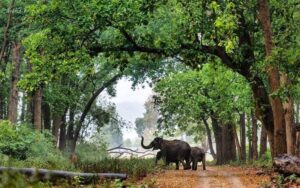
As Uttarakhand lies along the southern slopes of the Himalayas, climate varies significantly based on altitude. Glaciers dominate higher elevations, followed by temperate Western Himalayan alpine shrub and meadows up till 5,000 meters (16,400 feet). Temperate Western Himalayan subalpine conifer forests occupy the region between 3,000 and 2,600 meters (9,800 and 8,500 feet). Transitioning further downward, visitors encounter temperate Western Himalayan broadleaf forests ranging from 2,600 to 1,500 meters (8,500 to 4,900 feet) before reaching the Himalayan subtropical pine forests. Lowlands house the Upper Gangetic Plains moist deciduous forests and Terai-Duar savannas. Teeming wildlife inhabits these distinct regions, from elusive snow leopards and tigers to various plant life and medicinal herbs.
Cultural Significance and Historical Importance:
Two sacred rivers, the Ganga and the Yamuna, emerge from Uttarakhand’s glaciers, feeding vast networks of lakes, streams, and tributaries throughout their courses. Historically, the state played a pivotal role in establishing sustainable logging practices during British colonial rule when concerns about deforestation escalated due to rapid infrastructure growth. Notable figures like Sir Joseph Dalton Hooker advocated responsible management, leading eventually to the enactment of the Indian Forest Act in 1878. Additionally, the establishment of institutions like the Imperial Forest School at Dehradun set a global precedent for conservation education. Today, reverence for Uttarakhand’s environment persists within local culture, evident through widespread adherence to ancient customs promoting harmony with nature.
Conclusion:
Geographic Personalities Of Uttarakhand, Uttarakhand offers visitors breathtaking vistas, vibrant cultures, fascinating history, and remarkable opportunities for exploration. With so much untouched wilderness waiting to be discovered, there has never been a better time to experience this enchanting destination!
Key Points of Geographic Personalities Of Uttarakhand :
- There are 13 districts in Uttarakhand.
- Uttarakhand is divided into 12 ecological zones.
- Early Hindu edicts refer to Kumaon as ‘Kurmanchal’.
- German forester Dr. Dietrich Brandis founded FRI (Forest Research Institute) in 1878.
- Katyuri Dynasty is considered the first major dynasty of Uttarakhand.
Geographic Personalities Of Uttarakhand :
- Q: When is the best time to visit Uttarakhand?
A: Spring (Mar-May) and autumn (Sep-Nov) offer pleasant weather for visiting Uttarakhand. - Q: Which languages are spoken in Uttarakhand?
A: Hindi, English, Garhwali, and Kumaoni are widely spoken in Uttarakhand. - Q: Are permits required for treks in Uttarakhand?
A: Yes, some treks may require inner line permits; check with local authorities before embarking.