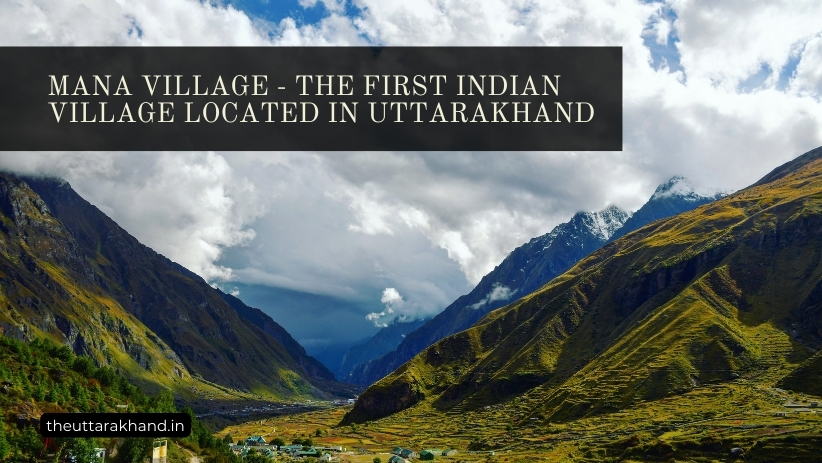
Mana Village – The First Indian Village Located in Uttarakhand
Mana village in Uttarakhand is regarded as the first inhabited village in India with historical significance tied to Mahabharata.
Mana Village
Mana Village
Mana village, located in the Chamoli district of Uttarakhand, is considered to be the first Indian village. Nestled in the Himalayas near the Indo-Tibet border, Mana is the last Indian village before Tibet on the ancient pilgrimage route of Kailash Mansarovar Yatra. With a population of around 500 people, this quaint village is renowned for its mythological significance and stunning natural beauty. This article will provide a comprehensive overview of Mana village including its history, location, mythology, how to reach, top attractions, accommodation, weather, and more.
History of Mana Village
Mana claims to be the oldest inhabited village in India with references found in the Hindu epic Mahabharata. As per legends, Mana is the place where the Pandavas crossed over to the Swargarohini peak towards heaven. Archaeologists have found ancient rock shelters and burial grounds in Mana indicating human settlement since prehistoric times. Some arrowheads and artefacts unearthed date back to 8000 BC. Historically, Mana was a key transit point for Indian pilgrims visiting Mount Kailash and trade caravans passing through. Locals believe that sage Vyasa meditated in Mana while writing the Mahabharata.
Location and Geography
Mana village is located in the Chamoli district of Uttarakhand at an elevation of 3,200 meters above sea level. It is nestled in the Garhwal Himalayas near the source of the Saraswati river. Mana is the last inhabited village before the Mana Pass which connects India to Tibet. The village is just 3 km from the famous Badrinath temple and around 30 km from Badrinath town. The popular hill stations of Joshimath and Govindghat are located close to Mana. Surrounded by snow-capped peaks and glaciers, Mana offers spectacular views of the Himalayas. The Beas river flows right through the village.
Mythological Significance
As per Hindu mythology, Mana holds spiritual importance for being the place where the Pandavas crossed over to Swargarohini. Local folklore states that Draupadi, wife of the Pandavas, fell and died during this ascent. A rockfall formation between Mana and Badrinath called Bhim Pul is also attributed to Bhim, one of the Pandava brothers. Additionally, Mana is linked to Mahabharata as this is where sage Vyasa composed the epic while meditating in a cave. The Saraswati river which originates from a glacier near Mana is considered sacred. A temple dedicated to Ganesh and another temple devoted to Vyas exist in Mana village.
How to Reach Mana Village
Mana village is accessible mainly by road from important towns like Badrinath and Joshimath in Uttarakhand. Here are the popular routes:
From Badrinath – Hired taxis and jeeps are available from Badrinath which is just 3 km away from Mana. Private vehicles can drive up to mana village. The road connects Badrinath via Pandukeshwar, Hanuman Chatti and Bheem Pul.
From Joshimath – Buses and taxis operate regularly between Joshimath and Badrinath via Govindghat. The journey from Joshimath to Mana takes around 2 hours. One can also trek the adventurous route from Govindghat to reach Mana.
From Rishikesh – Rishikesh is located 278 km from Mana and is the nearest railhead as well as major transportation hub. Buses and taxis can be hired from Rishikesh to Badrinath with the onward journey to Mana.
From Delhi – Delhi to Mana is an approximate 18-20 hour road journey covering 520 km. Travelers can take overnight Volvo buses from Delhi to Badrinath/Joshimath and onwards reach Mana. Shatabdi/Rajdhani trains from Delhi go till Haridwar from where road transport is available.
Top Attractions in Mana Village
Neelkanth, the Queen of Garhwal, beckons with a 3.2 km road journey followed by a scenic 7 km trek, standing tall at 6597 m above sea level.
Tapt Kund, a sacred natural pond visited by travelers year-round, is revered as the dwelling place of Lord Agni.
Badrinath Temple, a sacred abode dedicated to Lord Vishnu, stands as a crucial Hindu pilgrimage site just 4.4 km from Mana Village.
Vasudhara Falls, an 8 km journey from Mana village, captivates with a 2.8 km road followed by a scenic 5-6 km trek, promising panoramic views that make the trek worthwhile.
Vyas Gufa, a mere 200 meters from Mana village, holds significance as the abode where the great Hindu Sage Ved Vyas is believed to have penned the four Vedas.
Saraswati Temple, honoring the sacred Saraswati river, draws devotees with a 1 km ride followed by a 1 km trek in the serene valley.
Bheem Pul, a mythical bridge crafted by the mighty Pandava brother Bheem, offers a picturesque setting just 350 meters away, capturing the essence of Hindu mythology and nature’s allure.
Mata Murti Temple, honoring Lord Narayan’s mother, holds a fascinating legend of her wish granted by Lord Vishnu to be born as her son. August sees a grand annual fair at this sacred site.
Accommodation in Mana Village
Mana has limited accommodation options due to its remote location and small size. Here are some places to stay when visiting Mana:
GMVN Tourist Guest House – Decent government guest house with basic facilities like clean rooms, running water, electricity. Provides budget lodging.
Mana Village Guest House – Private guest house with restaurant. Offers comfortable rooms and local cuisine.
Mana Eco Cottages – Eco-friendly cottages equipped with solar power and modern amenities amidst nature. Provides a unique village experience.
Camping Sites – Many campsites operate in meadows near Mana offering an authentic camping experience. Travelers can opt for tents, dome tents or igloo stays.
In addition, pilgrim rest houses exist in Badrinath located just 3 km from Mana. Special permits may be required for foreign nationals to stay in Mana due to proximity to Indo-Tibet border.
Weather and Best Time to Visit
Mana village experiences cold and chilly weather most of the year due to its altitude and Himalayan location. The summer months of May to June are relatively pleasant with temperatures of 10°C to 18°C. Winter lasts from November to March with temperatures dropping below sub-zero accompanied by snowfall starting December onwards. The monsoon season of July-August brings moderate to heavy rainfall.
Peak season is from May to October when the weather is favorable and Badrinath temple remains open. Though winters are extreme, some visitors do come to experience snowfall in Mana from December to February. Those interested in skiing and snow sports visit during winter. September-November and March-April are shoulder seasons ideal for offbeat travelers although road accessibility maybe limited due to snow.
Key Highlights about Mana Village
- Last inhabited village before the India-Tibet border located near Badrinath.
- Believed to be the place where Vyas meditated and composed the Mahabharata.
- Pandavas are said to have crossed Swargarohini peak near Mana on way to heaven.
- Home to many iconic places like Vyas Gufa, Bhim Pul, Ganesh Gufa and Vasudhara falls.
- Starting point for thrilling Himalayan treks to Satopanth lake, Swargarohini etc.
- Offers majestic mountain views and abundance of natural beauty. Retains old-world charm.
- Has basic accommodation options for pilgrims and tourists along with campsites.
- Mostly accessed by road from Badrinath just 3 km away. Closest railhead is Rishikesh.
- Experiences extreme cold weather most of the year except pleasant summers. Heavy snowfall in winters.
Conclusion about Mana Village
Mana village is a historic hamlet nestled amidst stunning Himalayan peaks in Uttarakhand. Holding significance in Hindu mythology as the place where the Mahabharata was composed, Mana abounds in spiritual vibes. This quaint village mesmerizes visitors with its many natural wonders like Vyas Gufa, Vasudhara falls, Saraswati river and mountain trekking routes. Though reaching Mana requires effort, the sublime views and peaceful environs cut off from civilization make it worthwhile. So pack your bags and set out on an epic journey to explore Mana, the alluring first Indian village perched in the Garhwal heights!
FAQs
Q: Where is Mana village located?
A: Mana village is located in the Chamoli district of Uttarakhand, close to the famous Badrinath temple.
Q: Why is Mana called the first village of India?
A: Mana is considered the first inhabited village of India with archaeological finds and references dating back to the Mahabharata era.
Q: What is Mana village famous for?
A: Mana is famous for its mythological significance as the place where Vyas composed Mahabharata and the Pandavas crossed towards heaven.
Q: What are the top attractions in Mana village?
A: Top attractions in Mana include Vyas Gufa, Vasudhara falls, Bhim Pul, Ganesh Gufa, Saraswati river origin and scenic Himalayan treks.
Q: How can I reach Mana village?
A: Mana can be reached by road from Badrinath just 3 km away or other towns like Joshimath and Rishikesh via buses, taxis and private vehicles.
Q: When is the best time to visit Mana village?
A: The best time to visit Mana is from May to October during summer and monsoon when the weather is pleasant. Winters are extreme with heavy snowfall.
Q: What kind of accommodation is available in Mana?
A: Mana has limited stays like budget guest houses, eco cottages and camp sites along with lodges in nearby Badrinath.
Q: Is Mana village worth visiting?
A: Yes, Mana is definitely worth a visit for its historical significance, natural beauty, Himalayan views and serene old-world charm.