Panch Kedar Temples in Uttarakhand
The Panch Kedar temples in Uttarakhand’s Garhwal Himalayas form a spiritual quintet devoted to Lord Shiva.

Panch Kedar Temples in Uttarakhand
Panch Kedar Temples in Uttarakhand
Panch Kedar Temples in Uttarakhand : Nestled in the lap of the majestic Garhwal Himalayas in Uttarakhand lies the sacred Panch Kedar, a spiritual quintet of temples devoted to Lord Shiva. At high altitudes ranging from 2,200 meters to 3,680 meters, these five holy shrines of Kedarnath, Tungnath, Rudranath, Madhyamaheshwar, and Kalpeshwar exude powerful spiritual energy and immerse pilgrims in divine tranquility. Embark on a journey to the abode of the divine, where Shiva’s presence graces the Himalayas and Adi Shankaracharya’s wisdom echoes through the valleys.
Kedarnath Temple: The Prime Pilgrimage of Panch Kedar
At an elevation of 3,584 meters, Kedarnath temple stands tall amidst snow-clad mountain peaks as the most important shrine of the Panch Kedar. The majestic temple houses one of the 12 jyotirlingas of Lord Shiva, where the divine Shiva lingam sanctified the earth. Braving cold temperatures and high altitude, devotees flock to catch a glimpse of the awe-inspiring Shiva lingam and soak in the spiritual aura blessed by Adi Shankaracharya.
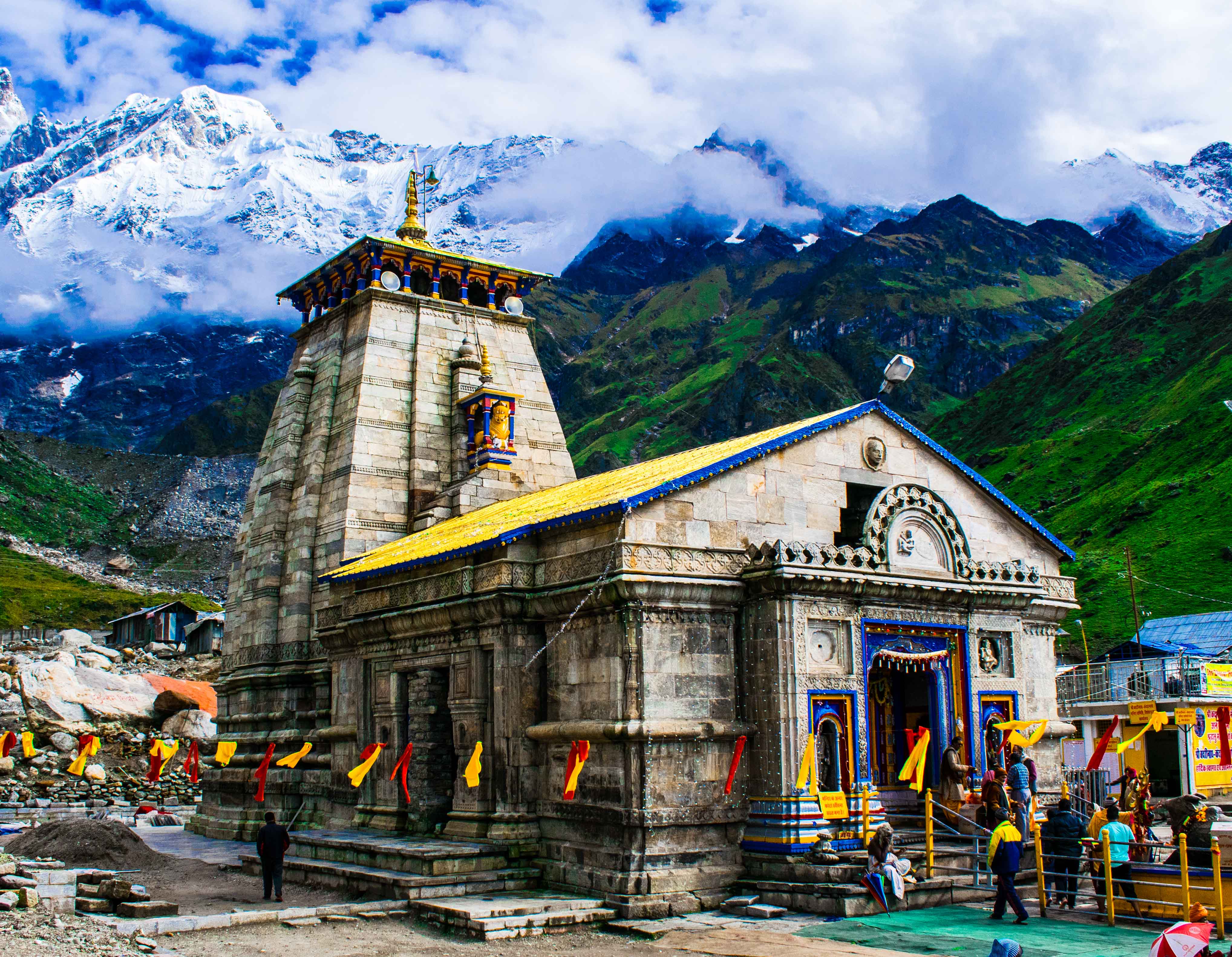
Surrounded by glaciers, Kedarnath evokes a heightened sense of spirituality. The tranquil atmosphere lends itself perfectly to meditation and inward reflection. Pilgrims feel humbled by the raw beauty and divinity of the surroundings. Some even experience a sense of self-realization, finding answers to long-held spiritual questions.
Kedarnath remains deeply significant for worshippers of Lord Shiva. The temple’s sanctity, magnified by the Himalayan wilderness, creates an unparalleled experience. A journey to Kedarnath Dham promises spiritual awakening and blessings of Shiva himself.
Tungnath Temple: The World’s Highest Shiva Temple

Another jewel in Panch Kedar’s crown is Tungnath, the world’s highest temple of Lord Shiva at an altitude of 3,680 meters. Encompassed by rhododendron forests and breathtaking high altitude meadows, Tungnath radiates divine energy. The chilled mountain air resonates with chants and bells, transporting pilgrims to a transcendental plane.
According to legends, Lord Shiva’s arms appeared at Tungnath when he took the guise of a bull to elude Pandavas. Devotees can visualize the story as they circumambulate the stone-clad temple and offer prayers. The scenic trek adds to the mystical experience, winding through blooming rhododendron trees.
During peak pilgrimage season, the temple sprouts to life with worshippers and sadhus. The spiritual fervor is palpable as people sing devotional hymns and the temple reverberates with the sounds of ringing bells. A sense of unity binds pilgrims regardless of caste, class or gender.
For the devout, Tungnath is the ultimate place to be one with Shiva and surrender to his grace. The thin air, fatigue, and spartan lodgings detach them from worldly comforts, bringing them closer to the divine. A fulfilling darshan of the Shiva lingam makes it all worthwhile.
Rudranath Temple: Divine Tranquility in Alpine Meadows
On the Panch Kedar pilgrimage route lies Rudranath temple, an oasis of tranquility nestled amidst alpine meadows and rhododendron forests at 2,286 meters. As one of Lord Shiva’s Panch Kedar abodes, Rudranath holds deep spiritual significance.
Legend goes that Shiva appeared here as Neelkanth Mahadev, worshipped for the blue mark on his throat after he consumed poison during the Samudra Manthan. Adi Shankaracharya installed the revered Shiva idol upon finding it struck in the earth.
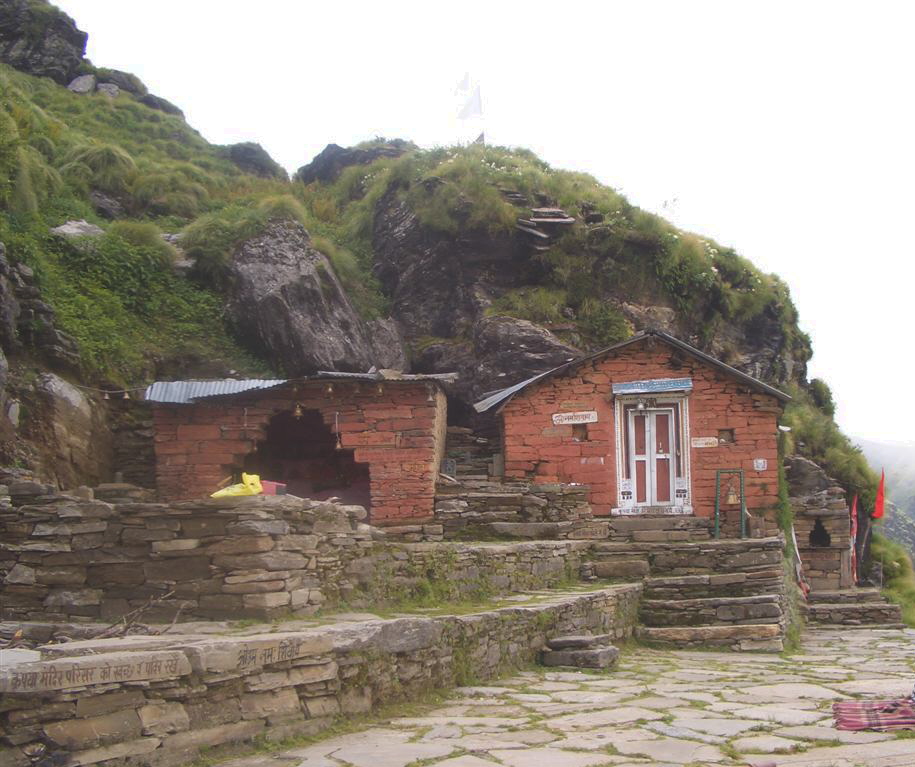
The temple’s high altitude location lends it a detached, mystical aura. The lush green meadows and forests create a resplendent nature haven for tired pilgrims. The calming silence is perfect for meditation and introspection. Chirping birds, gurgling streams, and clean air provide a balm for frayed city nerves.
Despite the remote location, Rudranath hosts a lively fair during Shivratri when pilgrims turn up in droves. The festive atmosphere, illuminated stalls and religious chanting transports devotees to a spiritual realm. To experience Shiva’s grace, Rudranath makes for an essential Panch Kedar sojourn.
Madhyamaheshwar Temple: Where Shiva’s Navel Emerged

Halfway along the Panch Kedar pilgrimage is Madhyamaheshwar temple, nestled at a height of 3,289 meters. Legend says this marks the spot where Shiva’s navel (madhya) appeared during a fearsome incarnation. His anger calmed after pleasing the Pandavas, giving the site its name.
A small stone temple houses the divine navel-shaped Shiva lingam. Pilgrims consider it auspicious to take a cleansing dip in the Madhyamaheshwar lake before offering prayers. The stunning backdrop of snow-capped Himalayan peaks creates picture-perfect reflections in the crystal clear waters.
Despite the temple’s remoteness, large numbers of devotees arrive for the annual Madhyamaheshwar fair. Songs and chants praising Shiva echo with fervent devotion, floating through the crisp mountain air. For pilgrims, glimpsing the sacred lingam and partaking in rituals brings them closer to Lord Shiva.
The serene Himalayan setting makes Madhyamaheshwar temple worth the challenging trek. Soaking in the spiritual ambience in solitude brings true inner joy.
Kalpeshwar Temple: Worshipping Shiva’s Sacred Locks
Last in the Panch Kedar circuit is Kalpeshwar temple, tucked away at 2,200 meters in the Urgam valley of Chamoli district. Legend states that Lord Shiva hid his hair locks (jata) here to avoid recognition during his disguise as a bull. Kalpeshwar houses the worshipped jata in the form of a swayambhu lingam.
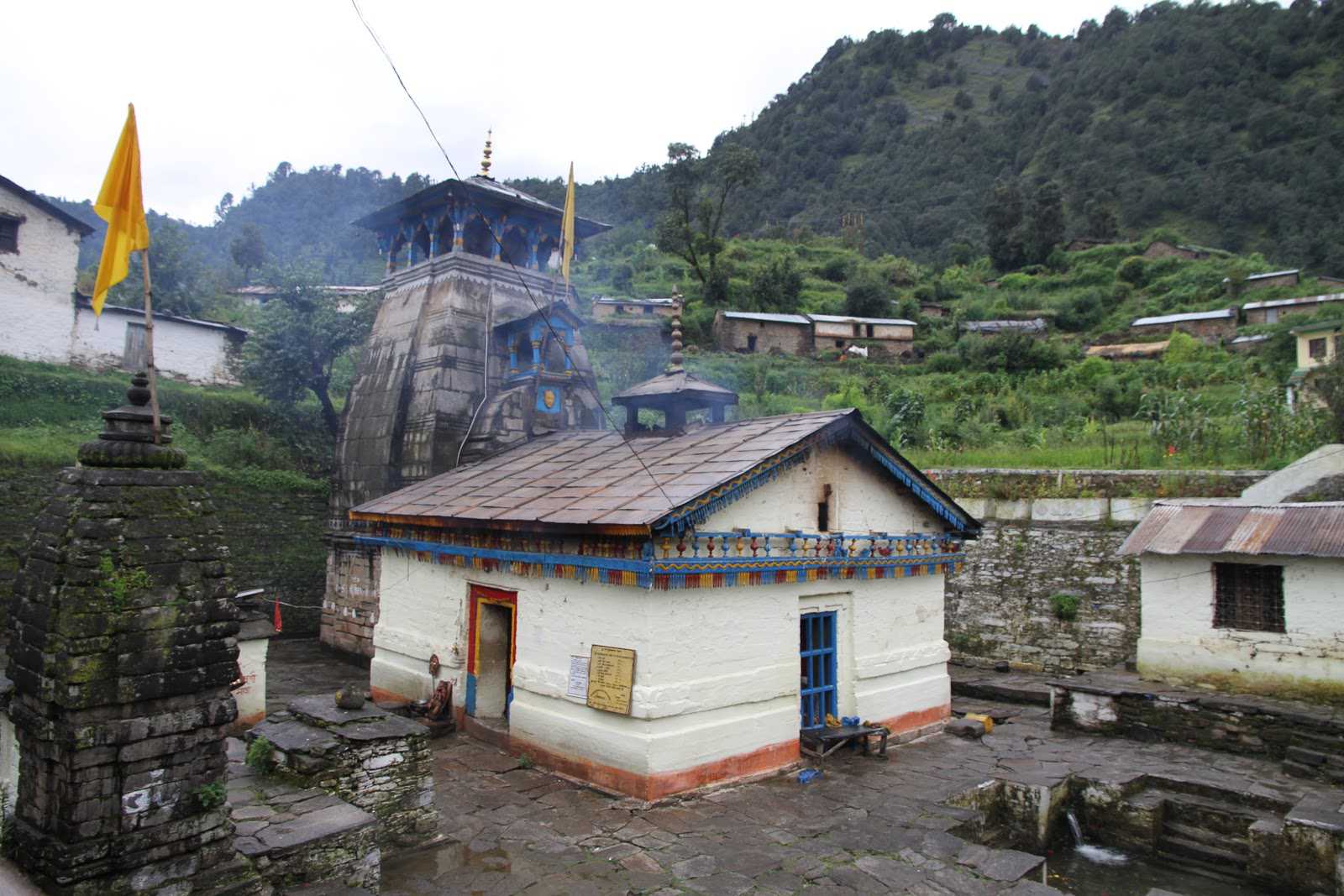
The stone temple’s interiors are dark and cave-like with a low roof. Pilgrims must bend down in reverence to catch a glimpse of the sanctified Shiva lingam representing his matted locks. Worship rituals involve offering water, milk, flowers and bilva leaves. Tuesdays draw maximum devotees praying for Shiva’s blessings.
Kalpeshwar’s location down a secluded forested trail accentuates its aura of antiquity. The journey feels like stepping back in time to an ancient era when nature and faith intertwined.
For Panch Kedar pilgrims, worshipping the five elements representing Shiva’s presence – his head, arms, navel, throat and locks – completes the circuit. The five temples venerating the mighty Mahadev form an invaluable treasure in Uttarakhand’s Garhwal region.
Panch Kedar Temples in Uttarakhand
Panch Kedar Temples in Uttarakhand : Nestled in the Garhwal Himalayas, the Panch Kedar temples form a divine realm exuding Shiva’s grace. Braving high altitudes and tough trekking trails to reach these abodes brings pilgrims closer to the mysteries of faith. The five holy shrines of Kedarnath, Tungnath, Rudranath, Madhyamaheshwar and Kalpeshwar offer once-in-a-lifetime spiritual experiences to cherish. Surrendering to Shiva’s energy and Adi Shankaracharya’s wisdom in the meditative Himalayan setting promises a sublime awakening of the soul.
Panch Kedar Temples in Uttarakhand
Q: Where are the Panch Kedar temples located?
A: The Panch Kedar temples are located in the Garhwal region of Uttarakhand state in northern India.
Q: What is the significance of Panch Kedar temples?
A: The Panch Kedar temples are considered highly sacred to devotees of Lord Shiva as they are dedicated to five elemental forms of Shiva – his head, arms, throat, navel and locks.
Q: How many temples are there in Panch Kedar?
A: There are 5 temples together forming the Panch Kedar circuit – Kedarnath, Tungnath, Rudranath, Madhyamaheshwar and Kalpeshwar.
Q: What is the best time to visit Panch Kedar temples?
A: The best time is from April to October when the weather is pleasant. Some temples like Kedarnath are inaccessible in winters due to heavy snowfall.
Q: What should I carry when visiting Panch Kedar temples?
A: Carry woolens, hiking shoes, torchlight, medicines, warm clothes as the temples are located at high altitudes with cold weather. Also pack prasad and puja items.
Q: How can I reach the Panch Kedar temples?
A: Reach the nearest airport at Dehradun or railway station at Rishikesh. From there take a bus or taxi to Ukhimath which is the base camp for trekking up to the temples.
Q: Do I need a guide for visiting Panch Kedar?
A: Yes, it is recommended to hire a knowledgeable local guide due to the remote locations and trekking involved, unless you are an experienced trekker.
Q: What is the legend associated with Panch Kedar?
A: According to legend, Lord Shiva hid at Panch Kedar to avoid the Pandavas who were seeking repentance after the Kurukshetra war. The five temples mark the sites where different elements of Shiva appeared.
Q: Which Panch Kedar temple is the highest in elevation?
A: Tungnath temple located at 3680 meters is the highest among the Panch Kedar temples.