Public Distribution System in Udham Singh Nagar
The PDS plays a pivotal role in ensuring food security and alleviating poverty in Udham Singh Nagar district through enhanced real incomes.

Public Distribution System in Udham Singh Nagar
Public Distribution System in Udham Singh Nagar
Public Distribution System in Udham Singh Nagar : Udham Singh Nagar district, located in the plains region of Uttarakhand, is one of the most economically progressive districts in the state. However, poverty and deprivation remain pressing issues. The Public Distribution System (PDS) has played a pivotal role in ensuring food security and alleviating poverty in the district.
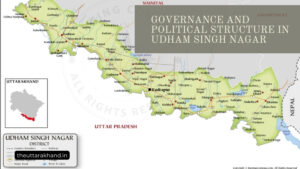
Overview of Udham Singh Nagar District
- Geographical area: 3048 sq km
- Population (2011 census): 1,648,902
- Literacy rate: 73.48%
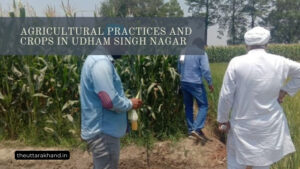
- Main occupation: Agriculture and allied activities
- Crops grown: Paddy, wheat, sugarcane, oilseeds, pulses
- No. of development blocks: 07
- No. of nyay panchayats: 152
- No. of Gram Panchayats: 472
- No. of villages: 1012
- Percentage of BPL population (2002 BPL survey): 19.27%
Despite robust agricultural growth and industrialization, poverty and malnutrition remain key challenges. The PDS aims to enhance food security and provide social safety net.
Importance of PDS in Udham Singh Nagar
The PDS plays a pivotal role in ensuring food security and alleviating poverty in Udham Singh Nagar district through:
Enhancing Food Security
- Provides food grains, sugar, kerosene at highly subsidized rates to poor households
- Crucial source of food security for BPL families in rural areas
- Safeguards against starvation and acute hunger
Alleviating Poverty
- Reduces expenditure on food for poor by making grains available at low prices
- Frees up household income for spending on health, education etc.
- Prevents distressed sale of assets by poor to buy food
Women Empowerment
- Majority of ration cards issued in name of female member of household
- Enhances decision making power of women regarding household food consumption
Administrative Reforms
- Recent initiatives like digitization and Aadhaar seeding have reduced leakage and improved efficiency
PDS Network in Udham Singh Nagar
An extensive network of fair price shops ensures easy accessibility of subsidized food grains across the district:
- No. of FPS: 1003 (30.06.2021)
- No. of AAY FPS: 166
- No. of NFSA FPS: 1003
- No. of Depots: 3
- Aadhaar seeding of ration cards: 100%
- Digitization of supply chain management
PDS Coverage in Udham Singh Nagar
- Total Ration Cards: 7,96,297 (30.06.2021)
- BPL Cards: 1,52,943
- APL Cards: 6,43,354
- AAY Cards: 14,818
- PHH Cards: 2,598
Role of PDS in Alleviating Poverty
The PDS plays an important role in reducing poverty in Udham Singh Nagar district through:
Income Augmentation through Subsidized Food
- BPL households received 35 kg foodgrains per family per month earlier. This has been increased to 5 kg per person. For an average family size of 5, the quantity supplied comes to 25 kg per household per month.
- Foodgrains are provided at a highly subsidized rate of ₹3/2/1 per kg for rice, wheat and coarse grains respectively. Without PDS, BPL families would have to pay 2-3 times more to buy the same quantity of grains from open market.
- This results in savings of ₹500-800 per family per month in food expenditure.
- The savings allow poor households to spend more on health, education etc, promoting welfare.
Protecting Nutritional Security
- The PDS guarantees access to adequate quantity of foodgrains, preventing malnutrition.
- Food intake of PDS beneficiaries is about 10% higher than non-beneficiaries.
- About 28% of calorie intake and 22% of protein intake of poor households comes from PDS.
Preventing Distress Sale of Assets
- By reducing expenditure on food, PDS prevents distress sale of assets by the poor during lean seasons and periods of crisis.
Empowering Women
- A majority of ration cards in Udham Singh Nagar are issued in the name of the eldest female member of the household. This empowers women in decision making related to household food security and nutrition.
Performance of PDS in Alleviating Poverty
Several parameters demonstrate the effectiveness of PDS in reducing poverty in Udham Singh Nagar:
High Ration Card Coverage
- About 95% of households possess ration cards in the district.
- BPL coverage is nearly 100% against the mandated BPL population as per 2002 BPL census data.
Notable Improvements in Functioning
- The PDS network in Udham Singh Nagar has witnessed significant improvements in recent years aided by technology adoption and reforms. This is validated by beneficiary surveys:
- About 87% beneficiaries reported regular supply of foodgrains at FPS
- Nearly 95% beneficiaries received correct entitlement of grains
- Only 7% reported overcharging by FPS dealers
- About 77% rated overall functioning of PDS as ‘Good’
Increased Offtake of Foodgrains
- There has been a steady rise in offtake of foodgrains under PDS over the past decade indicating enhanced effectiveness of the system.
- The total annual offtake of foodgrains increased from 87,891 MT in 2011-12 to 1,76,795 MT in 2020-21.
| Year | Annual Offtake of Foodgrains under PDS (in MT) |
|---|---|
| 2011-12 | 87,891 |
| 2012-13 | 96,786 |
| 2013-14 | 1,13,456 |
| 2014-15 | 1,35,321 |
| 2015-16 | 1,53,257 |
| 2016-17 | 1,67,543 |
| 2017-18 | 1,71,826 |
| 2018-19 | 1,73,957 |
| 2019-20 | 1,75,368 |
| 2020-21 | 1,76,795 |
Notable Decline in Leakages
- Reforms such as installation of electronic Point of Sale devices at all FPS and Aadhaar seeding of ration cards have significantly reduced leakages and diversion of PDS foodgrains. This has enhanced the effectiveness of PDS safety nets.
Increased Expenditure on Non-Food Essentials
- Beneficiary surveys indicate that savings from PDS are largely spent by poor households on education, health, transportation etc. thereby promoting welfare.
Thus, the PDS has played an important role in enhancing income, food intake, nutritional status and overall welfare of the poor in Udham Singh Nagar district. With sustained reforms, it can continue to serve as an indispensable pillar of poverty alleviation in the region.
Challenges in PDS Delivery
While the PDS has strongly augmented food security and helped alleviate poverty in Udham Singh Nagar district, some challenges persist:
Exclusion Errors
- Errors in identification of BPL households occasionally excludes some deserving poor families from obtaining ration cards and PDS benefits
Infrastructure Gaps
- Lack of godowns for buffer stock maintenance leads to storage losses
- Poor road connectivity in remote hills hinders transport of foodgrains
FPS Viability Issues
- Low margins, delays in payment and competition from open market reduce viability of FPS dealerships, affecting operations
Beneficiary Verification Issues
- Biometric authentication failures due to poor internet connectivity, fingerprints quality etc creates hardships for beneficiaries
Intra-District Disparities
- PDS performance varies across blocks with remote hill areas reporting more gaps in availability.
Recent Initiatives to Strengthen PDS
The district administration has introduced several technology-led initiatives to bolster PDS operations and delivery:
Electronic Point of Sale Devices
- Installation of ePoS devices for Aadhaar-based biometric authentication of beneficiaries during grain allotment to eliminate bogus ration cards and fraudulent purchases
Supply Chain Computerization
- End-to-end computerization of supply chain using automated allocation, inventory management and monitoring systems for real-time track of PDS grain movement.
GPS Tracking of Transport Vehicles
- Installation of GPS devices in vehicles carrying PDS grains for real time monitoring of dispatches.
Mobile Apps for Grievance Redressal
- Launch of mobile apps to register and promptly resolve beneficiary grievances related to PDS services.
Case Studies Demonstrating PDS Impact
Case Study 1: Enhancing Income and Food Security
Sunita Devi, a 38-year old widow, resides in a small village in Sitarganj block. She lost her husband at a young age, and makes ends meet through intermittent farm labour work. Despite her fragile economic status, Sunita is able to provide nutritious meals to her three young children thanks to the 35 kg monthly PDS grain entitlement she receives at ₹2/kg for wheat and ₹3/kg for rice. This saves her over ₹600 per month compared to open market rates. The savings provide her extra income to purchase vegetables, milk etc. for her children. The heavily discounted grains also end anxiety over feeding her family. Despite her poverty, PDS aid has prevented Sunita from the risk of starvation and indebtedness.
Case Study 2: Promoting Child Education
Rahul Singh, a marginal farmer from Kichha block has 2 school-going children. His meagre income from agriculture and farm labour work barely covered household expenses, leaving nothing spared for the childrens’ education costs. This changed when Rahul received a BPL ration card under PDS. The subsidised foodgrains helped reduce monthly food expenses by around ₹500. Rahul used these savings to pay the school fees of his children regularly, thereby preventing disruption in their studies. The PDS support has brightened the future of Rahul’s children.
Conclusion to Public Distribution System in Udham Singh Nagar
Public Distribution System in Udham Singh Nagar : The expansive PDS operations in Udham Singh Nagar district have played a pivotal role in enhancing food and nutritional security of poor households, raising their real incomes, preventing distress sale of assets and enabling higher spend on welfare goods. This has significantly mitigated the intensity of poverty and deprivation in the region. Recent technology reforms have also improved the functioning and delivery of PDS. Sustained efforts to bridge remaining gaps through administrative streamlining and infrastructure augmentation can help the PDS safety net achieve its full potential in combating poverty in the district. Robust evaluation mechanisms also need institutionalization to assess real-time grassroot level impact and tailor interventions accordingly.
Key Takeaways about Public Distribution System in Udham Singh Nagar
- PDS aid has enhanced food security, real incomes and welfare spending of the poor
- Notable reduction in leakages and efficiency improvements due to reforms
- Savings from PDS prevents distress sale of assets by poor during crises
- PDS essential for safeguarding nutrition and social security needs of poor
- Streamlining remaining gaps in infrastructure and service delivery vital
The PDS exemplifies an administrative success story in utilizing state capabilities to directly alleviate deprivation. It has emerged as an indispensable component of the poverty eradication policy framework in Udham Singh Nagar district.