Demographics of Uttarakhand
Demographics of Uttarakhand
Introduction to Demographics of Uttarakhand
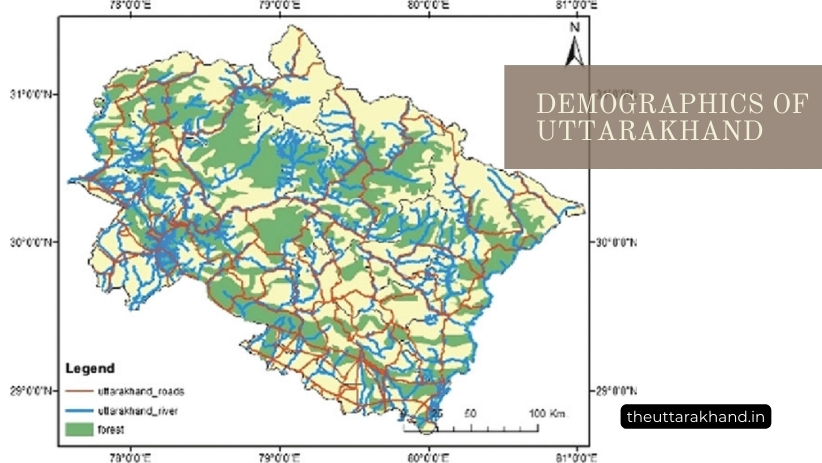
Demographics of Uttarakhand, Uttarakhand is a Himalayan state located in northern India. With an area of 53,483 sq km, it borders Tibet in the north, Nepal in the east, Himachal Pradesh in the west and Uttar Pradesh in the south. Formed in 2000 after being carved out of Uttar Pradesh, Uttarakhand has unique geographical, cultural and linguistic characteristics.
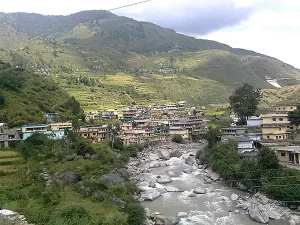
The state has a predominantly mountainous terrain with the Himalayas in the north and Shivalik range in the south. It can be divided into two main regions – Garhwal in the northwest and Kumaon in the southeast. About 86% of Uttarakhand’s area is mountainous. With such difficult terrain, infrastructure development has been challenging.
Let’s take a detailed look at the key demographic parameters of Uttarakhand state:
Population Size and Growth
Total Population (2011 census): 10.1 million
Uttarakhand accounts for 0.83% of India’s total population. The state registered 18.8% decadal growth in population between 2001-2011.
Population Density: 189 per sq km
The population density of Uttarakhand is much lower than the national average of 382. This highlights the difficult mountainous terrain, lack of plains/fertile valleys and infrastructural bottlenecks in the state.
Urban Population: 30.23%
Nearly 70% of Uttarakhand’s population resides in rural areas reflecting low urbanization. Lack of industrialization and infrastructural constraints have hampered the growth of cities and towns in the state.
District-wise Population
Most Populous Districts
- Haridwar – 1.9 million
- Dehradun – 1.7 million
- Udham Singh Nagar – 1.6 million
The plains districts of Haridwar, Dehradun and US Nagar account for over 50% of the state’s population. Fertile land, better infrastructure and connectivity have resulted in higher population concentration.
Least Populous District
- Rudraprayag – 2.4 lakhs
Inaccessible hilly terrain and lack of infrastructure have kept the population low in Rudraprayag district. The district also witnesses heavy out-migration.
Literacy Rate
Uttarakhand has a literacy rate of 78.8%, which is higher than the national average of 74%. The male literacy stands at 87.4% while female literacy is at 70%.
District-wise, Dehradun has the highest literacy rate of 85% followed by Nainital (84%) and Uttarkashi (83%).
Sex Ratio
Uttarakhand has a favorable sex ratio of 963 females per 1000 males as per 2011 census data. It is considerably higher than the national average of 940.
At the district level, Champawat has the highest sex ratio (1078) and Haridwar has the lowest (861). Social factors like male out-migration for employment lead to skewed sex ratio across certain districts.
Rural-Urban Population
As highlighted earlier, about 70% of Uttarakhand’s population resides in rural areas. Lack of industrialization and urban infrastructure have restricted urbanization levels.
The most urbanized districts in terms of share of urban population are Dehradun (58.7%), Haridwar (62.5%) and Nainital (51.4%).
On the other hand, less than 10% of the population in Chamoli, Bageshwar and Rudraprayag districts resides in urban centers highlighting their rural orientation.
Scheduled Castes (SC) and Scheduled Tribes (ST)
SC Population: 18.76%
Haridwar district has the highest proportion of SC population at 22%.
ST Population: 2.9%
Uttarakhand has a very small share of ST population. Udham Singh Nagar district accounts for the maximum tribal population in the state.
Some of the key ST groups found in the state are Jaunsari, Bhotia, Buksha and Tharu. They have distinct culture, language and social practices.
Migration and Floating Population
Migration, both in-state and out-state, is a key feature of Uttarakhand’s demographics. The difficult terrain and lack of employment opportunities force the rural populace to migrate to the plains of UP/Punjab or big cities for work.
As per one estimate, around 1.2 million people from Uttarakhand are working in different parts of India. Dehradun, Haldwani, Haridwar and Rudrapur act as transit points for the migrant workforce with a sizable floating population.
Key Drivers of Demographic Profile
- Hilly Terrain: Lack of plain fertile valleys and land constrain both population growth and infrastructure development.
- Out-migration: Lack of jobs in rural areas and small towns lead to high levels of male out-migration. This also impacts the sex ratio.
- Urbanization: Difficult terrain, lack of industrialization have restricted the growth of major urban centers barring a few towns.
- Literacy: High literacy rates driven by good school infrastructure even in remote areas along with cultural emphasis on education.
Conclusion to Demographics of Uttarakhand
Demographics of Uttarakhand, Uttarakhand has made good progress in education as reflected in rising literacy rates. However, lack of industrialization and infrastructural bottlenecks have hampered population growth, urbanization and balanced regional development.
Tackling the developmental challenges posed by its unique mountain geography through investments in connectivity, healthcare and employment generation should be the key priority areas for policy makers.
FAQs of Demographics of Uttarakhand:
What is the population of Uttarakhand?
The population of Uttarakhand is over 1 crore as per 2011 census.
What is the population growth rate of Uttarakhand?
The population growth rate of Uttarakhand declined from 19.20% in 2001 to 18.80% in 2011.
Which district has highest population density in Uttarakhand?
Haridwar with 817 persons per sq km is most densely populated district of Uttarakhand.
What is the literacy rate of Uttarakhand?
Uttarakhand has a literacy rate of 79.63 percent as per 2011 census.
What is the sex ratio of Uttarakhand?
Uttarakhand has a sex ratio of 963 females per 1000 males as per 2011 census data.
Is migration high in Uttarakhand?
Yes, Uttarakhand has very high rate of out-migration from the hilly districts to the plains.