Facts about Uttarakhand
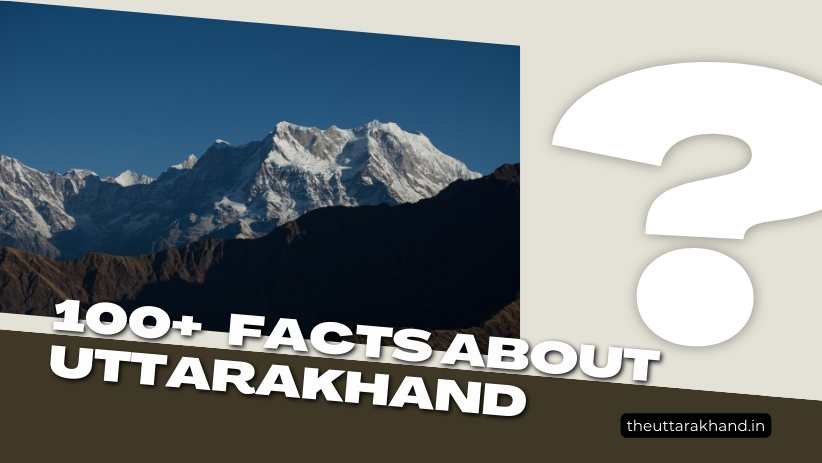
100+ Facts About Uttarakhand
Facts about Uttarakhand
Facts about Uttarakhand : Uttarakhand, located in the Himalayas, is known for its natural beauty and rich cultural heritage. From the mighty rivers to the majestic mountains, serene valleys to dense forests, ancient temples to modern towns, Uttarakhand has a diversity that makes it truly incredible.
This article on Facts about Uttarakhand presents some interesting and lesser-known facts about various aspects of Uttarakhand – history, geography, society, culture, economy, tourism and more. Read on to uncover amazing details about this state.
History
Ancient Times
- Evidences of pre-historic settlements have been found in Uttarakhand dating back to the Stone Age. Lower Paleolithic tools and rock shelters with paintings have been discovered across Almora, Chamoli, Nainital and other districts.
- Uttarakhand finds mention in the Hindu epics Mahabharata and Ramayana. Sages like Vashishtha, Vyasa, Dronacharya and others are said to have meditated in the region.
- The Kushanas, Kunindas, Kolis, Kiratas, Nags inhabited parts of Uttarakhand in ancient times before the advent of the Chand kings in Kumaon and Panwar Rajputs in Garhwal around 700-1100 CE.
Medieval Period
- Chand and Panwar Rajput rulers built magnificent forts, palaces and temples showcasing excellent stone architecture across Garhwal and Kumaon regions between the 7th and 18th centuries CE.
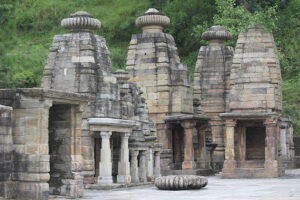
- Malla kings ruled over Kumaon during the 13th and 14th centuries CE. Their unique architectural style blending Indian and Tibetan influences can be seen in temples at Jageshwar, Baijnath and Dwarahat among others.
- Garhwal kingdom had smaller principalities ruled by chieftains before being unified under King Ajay Pal around 1360 CE. It later expanded under kings like Lakshmi Chand and Prithvi Chand.
- Gorkha expansion under Amar Singh Thapa captured major parts of Kumaon and Garhwal by 1803-04, before their defeat by the British East India Company.
Geography
Rivers
- Four of India’s major rivers – Ganga, Yamuna, Ramganga and Kali originate from the glaciers of Uttarakhand. Alaknanda and Bhagirathi join at Devprayag to form the Ganga.
- Uttarakhand has two main river systems – the Ganga and its tributaries draining the western region and rivers like Kosi, Kali and Saryu draining the eastern region into the Ganga in Uttar Pradesh.
- Tehri dam, built across the Bhagirathi river is the highest dam in India and one of the largest in Asia.
Mountains & Peaks
- Uttarakhand has several high mountain ranges like Zanskar, Greater Himalayas, Himachal, Nag Tibba, Bandarpoonch and Garhwal running across its entire northern region.
- Some of the highest peaks of the state are Nanda Devi (2nd highest in India), Kamet, Trisul, Bandarpunch, Chaukhamba, Panchachuli, Kedarnath, Badrinath and Nanda Kot.
- Valley of Flowers and Nanda Devi National Parks, known for their unique biodiversity, lie nestled amidst the Greater Himalayan ranges.
Glaciers
- Uttarakhand has nearly 1563 glaciers including some major ones like Gangotri, Pindari, Milam, Khatling, Namik and Sunderdhunga.
- Gangotri glacier, source of the Ganga river is one of the largest in the Himalayas at 30 kms length. It is however receding rapidly due to global warming.
- Some glaciers like Pindari are tourist attractions while others like Ralam fed by ice-falls have unique sights to offer.
Society & People
Demographics
- As per 2011 census, Uttarakhand has a population of about 1.01 crore comprising 52% males and 48% females with 69% literacy rate.
- Scheduled castes constitute 18% and scheduled tribes 2.5% of the state’s population. Upper caste Hindus form nearly 50% of the population.
- Around 90% of Uttarakhand’s inhabitants are native Paharis consisting of both Kumaonis and Garhwalis along with other local groups. Migrants from UP, Punjab, Nepal, Bengal and other states are also present.
Religions
- Nearly 85% of Uttarakhandis follow Hinduism. Major pilgrimage centers like Char Dham (Badrinath, Kedarnath, Gangotri and Yamunotri) and Sikh shrine of Hemkund Sahib are located here.
- Muslims comprise 14% of the population and mainly reside in Haridwar, Udham Singh Nagar and Dehradun districts. Other minority religions include Sikhs, Buddhists, Christians and Jains.
Languages
- Hindi is the official language. Garhwali and Kumaoni dialects are widely spoken by majority community across respective regions. Tribal languages include Buksa, Rongpo, Chaudangsi, Darmiya, and Byangsi.
- Sanskrit is the traditional language used for rituals and scriptures. Many village deities have distinct languages and scripts like Khas, Doti, Raji, Pangwali and others.
Tribes
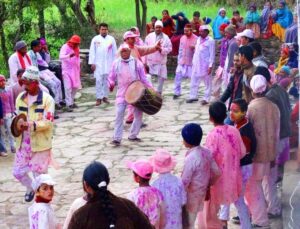
- Major tribal groups include Buksa, Tharu, Jaunsari, Raji, Khasha and Gujjar. Most inhabit remote hills and forests pursuing distinct cultural traditions. Their art forms include Madsha folk songs and dances like Chanchri and Jhumeila.
Traditional Attire
- Traditional outfits for women like ghagra, chaubandi choli and borla (Uttarakhand cap) are integral parts of local culture. Tribal groups have their unique vivid dresses.
- Men wear kurta, pyjama/dhoti with traditional jackets like bora/chola made of sheep wool. Angocha (male headgear), pattu/pabu (sash) and khunti (walking stick) complete traditional male attire.
Culture & Tradition
Cuisine
- Staple food consists of dishes made from mandua (finger millet), gahat/koda (kodo millet), traditional rice varieties like red rice, vegetables like rai, gahat greens, soya, pulses like gahat, bhatt, kulath and condiments like jakhiya.
- Popular dishes are Aaloo ke Gutke, Kaapa, Bhaat ki Churkani, Dubuk, Kandalee ka Saag, Rus/Thaat ke Pakaode, Baadi/Gujiya and many more.
- Traditional sweetmeats consist of Bal-Mithai, Singori, Gulgula, Jhangora/Pua ki Kheer, Thaat ke Pakode, etc.
Arts & Crafts
- Famous art forms include Pahari miniature paintings depicting deities, nature and social themes originating since 17th century Basohli style.
- Chamba rumaal embroidery on handkerchief with intricate motifs is a famous craft. Wood carving is seen on traditional homes, shrines and other artifacts. Stone carving adorns old shrines and palaces.
- Weaving woolen shawls called loees or pankhis is integral part of local tradition. Ringaal handicraft uses bamboo reeds to make artistic products.
Music & Dance
- Folk music compositions called Rasaulli, Jhora, Chhopati, Chounphula depict nature, love and spiritual themes. Basanti raga sung during spring season is popular.
- Main folk dances comprise Langvir Nritya, Barada Nati, Pandav Nritya, Shotiya Tribal Dance, Thaliya and music using damau, turri, dhol, damoun, masakbhaja, and others.
Architecture & Houses
- Traditional Pahari architecture style used stone and wood liberally. Temples, old shrines (like Jageshwar), forts and palaces (like Lohaghat) showcase this architecture. Intricately carved wooden doors and windows are specialty.
- Rural houses are made of stone/mud mortar, wood and slate roof (often replaced by CGI sheets now). Floors are mud plastered with cow dung. Living rooms have open verandahs and courtyards.
Economy
Agriculture
- Around 69% population is engaged in agriculture which contributes about 22% to Net State Domestic Product.
- Major crops include paddy, wheat, soybean, pulses, sugarcane, fruits and off-season vegetables. Horticulture crops like flowers, fruits, aromatic plants are gaining prominence.
- Organic cultivation is being promoted by state government given the growing market for organic produce.
Industries
- Over 1300 manufacturing units exist comprising mainly food products, wood/furniture, electronics and electrical appliances located in industrial estates in Haridwar, Pantnagar, Sitarganj, Selaqui and Kashipur.
- Pharma industries are concentrated around Selaqui industrial area. Other upcoming industries comprise IT, biotechnology, automobile parts, etc.
- Nearly 14% of Uttarakhand population is employed in registered manufacturing industries as per a 2016 government survey.
Handicrafts
- State handicraft department promotes traditional handicrafts through emporiums, artisan training, design innovation, marketing events and awards.
- Main craft clusters exist in Tehri, Champawat, Almora, Pithoragarh, Uttarkashi, Rudraprayag, Bageshwar and Chamoli districts supporting thousands of artisans.
- Major crafts comprise wood carving, metal statues, candles, ringaal products, woolen shawls and apparel, carpets and others.
Tourism
- Uttarakhand recorded nearly 37 million domestic and 0.4 million foreign tourists in 2019. Tourism contributed about 7% to the state GDP in 2017.
- Main attractions include Char Dham pilgrimage circuit, Valley of Flowers and Nanda Devi National Parks (UNESCO sites), hill stations, wildlife parks/sanctuaries, adventure sports and heritage sites.
- Pre-COVID, tourism sector employed around 4 lakh people through hotels, restaurants, transport, guides, adventure sports and other services.
Government & Administration
Formation
- Uttarakhand state was carved out from Uttar Pradesh on 9th November 2000 under the Uttar Pradesh Reorganisation Act, 2000 becoming the 27th state of India.
- Long struggles by activists under Uttarakhand movement spanning few decades preceded its formation.
- Dehradun is the interim capital. Gairsain was declared summer capital in 2020.
Districts
- Uttarakhand has 13 districts – Dehradun, Haridwar, Uttarkashi, Chamoli, Rudraprayag, Tehri Garhwal, Pauri Garhwal, Pithoragarh, Bageshwar, Almora, Champawat, Nainital and Udham Singh Nagar.
- Further administrative divisions comprise 95 tehsils and 78 development blocks.
Politics
- Uttarakhand elects 5 members to Lok Sabha and 70 members to State Assembly.
- Since its formation, the state has seen frequent leadership changes with 10 Chief Ministers till 2022.
- Major political parties include Indian National Congress and Bharatiya Janata Party besides Uttarakhand Kranti Dal, Samajwadi Party and Bahujan Samaj Party among others.
Education
- Literacy rate of Uttarakhand is nearly 78.8% as per 2011 census data.
- Female literacy at 70% is lower than male literacy rate at around 87%.
- Government runs nearly 16000 schools from primary to higher secondary level across the state besides private schools.
- Uttarakhand has one central university (Uttarakhand Technical University), one IIT (IIT Roorkee), one IIM (IIM Kashipur), one NIT (NIT Uttarakhand) and 12 state universities along with several private universities and degree colleges.
- Key institutions include Forest Research Institute (FRI), Wildlife Institute of India (WII), Indian Institute of Remote Sensing (IIRS), Wadia Institute of Himalayan Geology (WIHG), GB Pant National Institute of Himalayan Environment and others engaged in specialized research.
Flora & Fauna
Forests
- Nearly 45% of Uttarakhand area is under forest cover comprising temperate forests, alpine pastures and scrublands.
- Major forest types include moist deodar forests, Himalayan moist temperate, sub-alpine, sub-tropical pine, Himalayan dry temperate, sub tropical broadleaf Hill forests, and more.
- Rare tree species found are rhododendron, oak, fir, pine, deodar and others.
Wildlife
- Jim Corbett National Park, Rajaji National Park, Valley of Flowers and Nanda Devi National Parks, Gangotri National Park, Askot Wildlife Sanctuary are key protected wildlife zones.
- State animal musk deer, national animal tiger, Asiatic black bear, leopard, deer species, goral, serow along with around 600 bird species, reptiles, amphibians inhabit these forests.
Endangered Species
- Endangered animals include the snow leopard, Himalayan brown/black bears, swamp deer and over a dozen bird species.
- RET species in Uttarakhand comprise plants like Taxus wallichiana (Himalayan yew), orchids like Cymbidium eburneum and over three dozen other rare plants.
Key Places to Visit
Hill Stations
- Mussoorie, Nainital, Ranikhet, Kausani, Lansdowne, Auli, Chakrata, Pithoragarh, Almora, Mukteshwar
Valleys
- Valley of Flowers, Auli Bugyal, Dayara Bugyal, Dodital, Kedarnath, Hemkund Sahib, Har ki Doon, Roopkund
Adventure
- River rafting in Rishikesh, Tehri; Skiing in Auli; Trekking at Valley of Flowers, Roopkund, Kuari Pass, Pindari Glacier; Mountaineering expeditions.
Temples
- Badrinath, Kedarnath, Gangotri, Yamunotri, Jageshwar, Baijnath, Rudranath, Madhmaheshwar
Other Attractions
Corbett National Park, Rajaji National Park, Mukteshwar Temple, Surkanda Devi Temple, Chaukori, Ranikhet Golf Course, Tea Gardens, Jim Corbett Museum, Nanda Devi Fair, Gauchar Fair and more.
Conclusion to Facts about Uttarakhand
Facts about Uttarakhand, Uttarakhand’s magnificent landscape dotted with snow peaks, glaciers, dense forests, valleys and rivers along with heritage sites showcases nature’s abundance. Its people have preserved ancient cultural roots visible in traditions, music, dances, cuisine, dresses and local deities. The state has emerged as major tourism, education and industry center while striving for balanced growth despite challenges posed by natural disasters and ecological factors. This small state thus has immense to offer to any traveler, nature lover, adventurer, student or spiritual seeker in terms of natural beauty, adventure, history, culture, education and wellness.
Facts about Uttarakhand :
What are some interesting facts about Uttarakhand?
Uttarakhand has four major river systems, four Hindu Char Dham pilgrimage sites, and over 50 peaks above 6000 m including the second highest peak Nanda Devi. The Valley of Flowers and Nanda Devi National Parks are UNESCO World Heritage Sites.
What kind of forests and wildlife are found in Uttarakhand?
45% of Uttarakhand’s area is under temperate forests, alpine pastures and scrublands with rare flora and fauna. Key wildlife zones include Corbett National Park, Rajaji National Park, Gangotri National Park and Askot Wildlife Sanctuary.
What are the main agricultural crops grown in Uttarakhand?
Major crops include paddy, wheat, soybean, pulses, sugarcane, fruits and off-season vegetables. Uttarakhand also holds potential for floriculture, aromatic/medicinal plants cultivation, mushroom farming, organic farming among others.
What are the key handicrafts and art forms of Uttarakhand?
Main handicrafts comprise wood carving, metal statues, woolen shawls/apparel, carpets and ringaal products. Famous art forms are Pahari miniature paintings and Chamba rumaal embroidery depicting intricate designs.
Which are the most famous places to visit in Uttarakhand?
Top attractions include Char Dham circuit, Valley of Flowers, Nanda Devi National Parks, hill stations like Mussoorie and Nainital, Corbett National Park, adventure sports in Rishikesh and heritage temples like Jageshwar.