Katyuri Dynasty in Ancient Uttarakhand
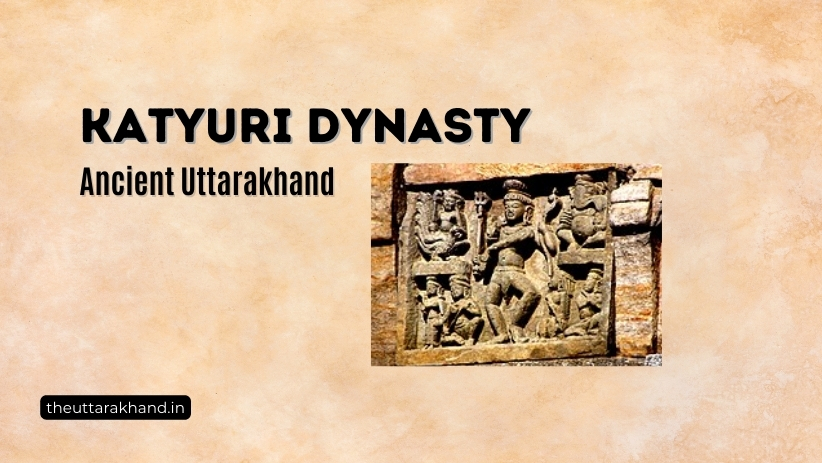
Katyuri Dynasty in Ancient Uttarakhand
Katyuri Dynasty in Ancient Uttarakhand
Katyuri Dynasty in Ancient Uttarakhand : The Katyuri dynasty ruled parts of Uttarakhand and Uttar Pradesh from the 7th century CE to the 11th century CE. They were based in the Kumaon region with their capital initially at Baijnath and later at Dwarahat.
The Katyuris originated as feudatories of the Chand dynasty. Under Vashudev Katyuri, the founder of the dynasty, the Katyuris gradually established control over the Kumaon region. The greatest ruler of the dynasty was Bhoja Dev who ruled from 954 CE to 991 CE. The Katyuris constructed several temples and initiated the architectural style that became known as the Kumaoni style of architecture.
The decline of the Katyuris started in the early 11th century when they lost control of the plains of Uttar Pradesh. They continued ruling parts of Kumaon until the 13th century when they were displaced by the Chand dynasty.
Key Points About the Katyuri Dynasty
- Ruled parts of Uttarakhand and Uttar Pradesh from 7th century CE to 13th century CE
- Originated as feudatories of Chand dynasty
- Greatest ruler was Bhoja Dev (954 CE – 991 CE)
- Constructed several Hindu temples and developed Kumaoni style of architecture
- Decline started in early 11th century with loss of Gangetic plains
- Displaced by resurgent Chand dynasty in 13th century
Origin and Early Rulers
The origin of the Katyuri dynasty is unclear but they likely emerged from the Chand dynasty as feudatories. The earliest known ruler was Vashudev Katyuri who performed the Vedic Rajasuya sacrifice establishing his sovereignty.
Vashudev’s son Brahm Deo further expanded the kingdom. The capital was established at Baijnath which had been founded by the Chand rulers earlier.
Brahm Deo’s son Prithvi Deo I continued to rule the kingdom and fend off aggressors. He rebuilt the Rajeshwar Mahadev Temple at Champawat which had been destroyed earlier by an enemy ruler.
Reign of Bhoja Dev
The most celebrated ruler of the Katyuri dynasty was Raja Bhoja Dev who ruled from 954 CE to 991 CE. He was known as the ‘Navakoti Bhoja’ or ‘Bhoja the Nine Crore’ due to his excellent administration that brought immense prosperity to Kumaon.
Bhoja Dev led successful military campaigns in the Gangetic plains extending his kingdom’s boundaries. He also constructed many temples and initiated the unique architectural style that became known as the Kumaoni style of architecture.
Some of the key features of Kumaoni architecture developed during Bhoja Dev’s time include:
- Stone and wood construction
- Intricately carved designs and patterns on walls, pillars and doors
- Sloping walls
- Multi-tiered roofs in pagoda style
The artistic style initiated under Bhoja Dev’s patronage would have a lasting impact on temples and structures built in Kumaon over the next few centuries.
Decline
The decline of the Katyuri dynasty started soon after the death of the great king Bhoja Dev in 991 CE.
They lost control of the Tarai and Bhabhar region and subsequently also lost the Gangetic plains of Uttar Pradesh. As a result, the kingdom was confined only to the Kumaon hills.
In the 13th century, the Katyuris faced a resurgent Chand dynasty under Baz Bahadur Chand who displaced the last Katyuri ruler to establish control over Kumaon.
Administration and Society
The Katyuri kingdom was divided into several smaller provinces or principalities ruled by kinsmen of the king. Land revenue was an important source of income for the kingdom. Society was divided into four classes – Brahmins, Kshatriyas, Vaishyas and Shudras.
The Brahmins enjoyed a superior social status and were exempt from paying land tax. Slavery was widely prevalent with prisoners of war being captured and sold as slaves. Both agriculture and trade were important economic activities of the kingdom.
Art and Architecture
As already highlighted, the greatest contribution of the Katyuri dynasty was the development of the Kumaoni style of architecture. Stone and wood were used extensively in temple construction with intricate carvings and designs being made.
Several Hindu temples were constructed during the Katyuri period including the renowned Baijnath temple built in the early 12th century, just before the decline of the dynasty. The artistic style developed during the Katyuri period would endure for centuries and become synonymous with Kumaon’s temple architecture.
Conclusion to Katyuri Dynasty in Ancient Uttarakhand
Katyuri Dynasty in Ancient Uttarakhand : The Katyuri dynasty holds an important place in Uttarakhand’s history. Emerging from the Chand dynasty as feudatories, they gradually established control over the Kumaon region. Reaching their peak under Raja Bhoja Dev, they constructed several Hindu temples and developed the enduring Kumaoni style temple architecture. However, their decline started soon after Bhoja Dev’s death with the loss of the Gangetic plains. They would continue to rule parts of the Kumaon hills before being displaced by the resurgent Chands in the 13th century CE. The artistic and architectural legacy of the Katyuris continues to be reflected in Kumaon’s magnificent temples even today.
FAQs on Katyuri Dynasty in Ancient Uttarakhand :
Who founded the Katyuri dynasty?
Vashudev Katyuri founded the Katyuri dynasty in 7th century CE.
Who was the most famous Katyuri king?
Bhoja Dev who ruled from 954 CE to 991 CE was the greatest Katyuri ruler.
What type of architecture did the Katyuris patronize?
The Katyuris developed the Kumaoni style of architecture that used stone, wood and intricate carvings.
When did the decline of the Katyuri dynasty start?
The Katyuri decline started in early 11th century after the death of King Bhoja Dev.
Who displaced the Katyuris in Kumaon?
The Katyuris were finally displaced by the resurgent Chand dynasty under Baz Bahadur Chand in the 13th century.