Lacustrine Basins of Uttarakhand
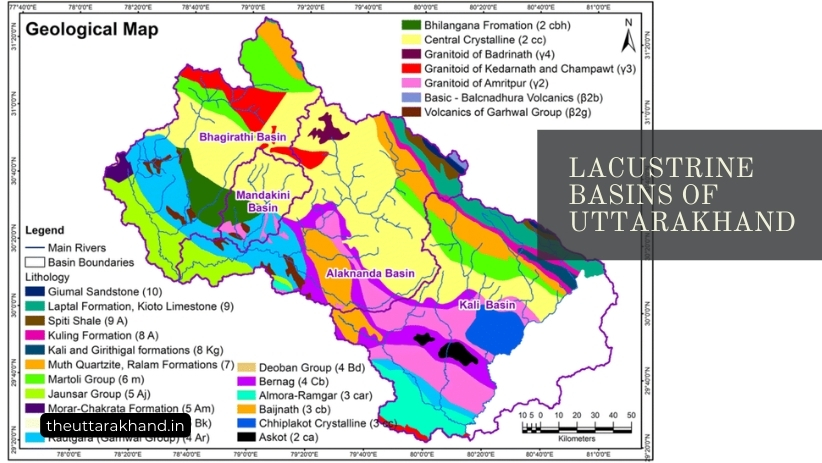
Lacustrine Basins of Uttarakhand
Lacustrine Basins of Uttarakhand
Lacustrine Basins of Uttarakhand : Uttarakhand, nestled in the lap of the Himalayas, is dotted with numerous lakes formed over millennia by glacial, fluvial, and tectonic processes. These pristine water bodies, referred to as lacustrine basins, are a defining feature of the state’s geography and ecology.
This article provides a comprehensive overview of the various lacustrine basins found across Uttarakhand. It delves into the geographic distribution, origin and classification, biodiversity, threats, and conservation efforts regarding these critical water resources.
Geographic Distribution
The lakes of Uttarakhand are spread across the state, with concentrations seen in certain districts:
| Districts | Major Lakes |
|---|---|
| Chamoli | Roopkund, Hemkund Sahib, Vasudhara Falls, Nachiketa Tal |
| Pithoragarh | Rup Kund, Sunder Dhunga |
| Bageshwar | Sattal, Bhimtal |
| Nainital | Nainital, Bhimtal, Naukuchiyatal |
| Dehradun | Sahastradhara, Robber’s Cave |
In addition, the high-altitude alpine meadows and valleys of the upper Himalayan reaches harbor hundreds of glacial lakes and tarns. The Siwalik foothills and the Gangetic plains also host numerous oxbow lakes and other water bodies.
Origin and Classification
The lacustrine basins of Uttarakhand can be classified based on their origin into five types:
- Glacial Lakes: Formed due to glacial activity in the higher Himalayas; examples are Roopkund, Hemkund Sahib, Vasudhara.
- Erosional Lakes: Formed by fluvial erosion and deposition; examples are Nainital, Bhimtal.
- Tectonic Lakes: Formed due to earth movements and structural deformation; examples are Nainital and Bhimtal.
- Landslide-Dammed Lakes: Formed due to landslides blocking river valleys; example is Gohna Tal.
- Artificial Lakes: Man-made reservoirs created behind dams; examples are Tehri Dam Lake, Koteshwar Dam Lake.
Biodiversity
The lacustrine basins of Uttarakhand harbor unique aquatic and watershed biodiversity, including endemic and endangered species.
Flora: Marsh marigold, buttercups, floating bur-reed, pond weeds, water smartweed.
Fauna: Golden mahseer, snow trout, Himalayan brown trout, otters, turtles, Himalayan black bear, leopards.
Several lakes such as Hemkund Sahib have religious significance and ecological preservation rules, helping maintain their pristine water quality and biodiversity despite high pilgrim footfalls.
However, many lakes face biodiversity threats from factors like overgrazing, tourism, habitat loss, and climate change. Conservation efforts are underway, but more needs to be done.
Threats and Challenges
The lacustrine basins of Uttarakhand face several threats:
- Siltation: Deforestation in catchment areas causing erosion and silt deposition in lakes
- Pollution: Sewage and solid waste pollution from settlements and tourism
- Overexploitation: Overfishing, unsustainable irrigation drawing down lake levels
- Invasive Species: Introduction of exotic predatory fish, weeds disrupting native flora/fauna
- Climate Change: Glacial retreat, erratic rainfall, and temperature rise impacting Himalayan lakes
This calls for urgent conservation action to preserve these threatened yet vital water bodies.
Conservation Efforts
Several governmental, civil society, and community efforts are underway to conserve Uttarakhand’s lacustrine basins:
- Policy and Legal Protection: Lakes included under Protected Areas like National Parks, Wildlife Sanctuaries, and Community Reserves. Activities regulated under Forest Conservation Act, Wildlife Protection Act, Wetlands Rules.
- Sewage Treatment: Sewage treatment plants installed at major lakes like Nainital and Bhimtal to reduce pollution.
- Afforestation: Tree planting drives in denuded catchments to reduce siltation.
- Waste Management: Solid and liquid waste management at lakeside tourism spots and pilgrim sites.
- Community-based Conservation: Lake protection groups doing patrols, advocacy, habitat management etc.
- Climate Resilient Development: Adaptation/mitigation strategies for climate risks factored into lake conservation plans.
However, a landscape-level approach is needed for long-term preservation of these lacustrine ecosystems. The sustainability of local communities depending on these lakes also needs to be factored in conservation plans.
Key Points
- Uttarakhand has a diversity of lake types including glacial, erosional, tectonic, landslide-dammed, and artificial lakes.
- Lakes are geographically spread across the state, with concentrations seen in certain districts.
- Threats like catchment degradation, pollution, overuse, invasive species and climate risks impact the lakes.
- Conservation efforts are underway but landscape-scale planning needed for long-term preservation.
Conclusion to Lacustrine Basins of Uttarakhand
The lacustrine basins scattered across Uttarakhand’s varied terrain present a unique water heritage shaped by the forces of nature over eons. These lakes sustain rich biodiversity, provide water security, and hold cultural significance for communities. However, in recent decades, these ecosystems have come under several anthropogenic threats that can irrevocably damage them.
While nascent conservation efforts show promise, the need of the hour is consolidated action across policy, science, and community involvement to preserve these vital water bodies for posterity. The path ahead lies in envisioning the lakes and their surrounding catchments as integrated social-ecological systems, and managing them sustainably keeping in mind environmental limits and human needs. This landscape-scale conservation approach can ensure that Uttarakhand’s lacustrine wealth continues to support rich aquatic life, provide ecological services, inspire art, and nourish human well-being for generations to come.
FAQ’s on Lacustrine Basins of Uttarakhand
What are the different types of lakes found in Uttarakhand?
The lakes of Uttarakhand can be classified based on their origin into glacial, erosional, tectonic, landslide-dammed and artificial lakes.
What major threats do the lacustrine basins of Uttarakhand face?
The threats include siltation, pollution, overexploitation, invasive species and climate change impacts like glacial retreat and erratic rainfall.
Which areas of Uttarakhand have high concentrations of lakes?
Districts like Chamoli, Pithoragarh, Bageshwar, Nainital and Dehradun harbor major lakes like Roopkund, Sattal, Bhimtal, Naukuchiyatal and Sahastradhara.
What conservation efforts are underway to protect Uttarakhand’s lakes?
Efforts like policy and legal measures, sewage management, afforestation, community patrols and climate adaptation plans aim to preserve these vital ecosystems.
What is needed for the long-term sustainability of these lacustrine basins?
A landscape-scale approach factoring ecological limits and human needs is required for the enduring conservation of Uttarakhand’s threatened yet critical lake ecosystems.